Showing posts with label databases. Show all posts

Sunday, November 11, 2012

National Library Service for the Blind and Physically Handicapped

Today we're talking about talking book and braille libraries; specifically the National Library Service for the Blind and Physically Handicapped (NLS) administered by the Library of Congress. This service was established in 1931 with an act of congress, commonly known as the Pratt-Smoot act. The text is found in Title 2, Chapter 5, section 135a of the US Code and establishes an annual appropriation in the budget to Library of Congress for the dissemination of books in accessible format.

Unfortunately at the time of writing this, the NLS website is down for maintenance during the entire veterans day weekend. The NLS itself is an office located just north of Columbia Heights in Washington, DC. Visionaware has a great brief description of the service, which I'm copying here because, admittedly, it's easier than paraphrasing.

"The National Library Service for the Blind and Physically Handicapped (NLS), Library of Congress, administers the Braille and Talking Book Library Service, a free program that loans recorded and braille books and magazines, music scores in braille and large print, and specially designed playback equipment to residents of the United States who are unable to read or use standard print materials because of visual or physical impairment.

Local cooperating libraries throughout the United States mail NLS audiobooks, magazines, audio equipment, braille books, and braille magazines directly to enrollees at no cost. Talking books and magazines and braille publications are delivered to eligible borrowers by postage-free mail and through a network of cooperative libraries. Religious publications include: Bibles, Other Scriptures, Liturgies, and Hymnals in Special Media.

From a beginning of 19 cooperating libraries, the network has expanded to 57 regional and 74 subregional libraries throughout the U.S."

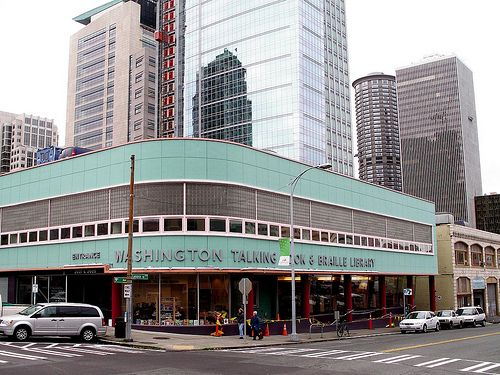
Most state libraries administer braille and talking book libraries through State Libraries. You can find a list of libraries on the NLS website, or use this list from VisionAware. Check out the Washington Talking Book and Braille Library for an example of the services available at the state level.
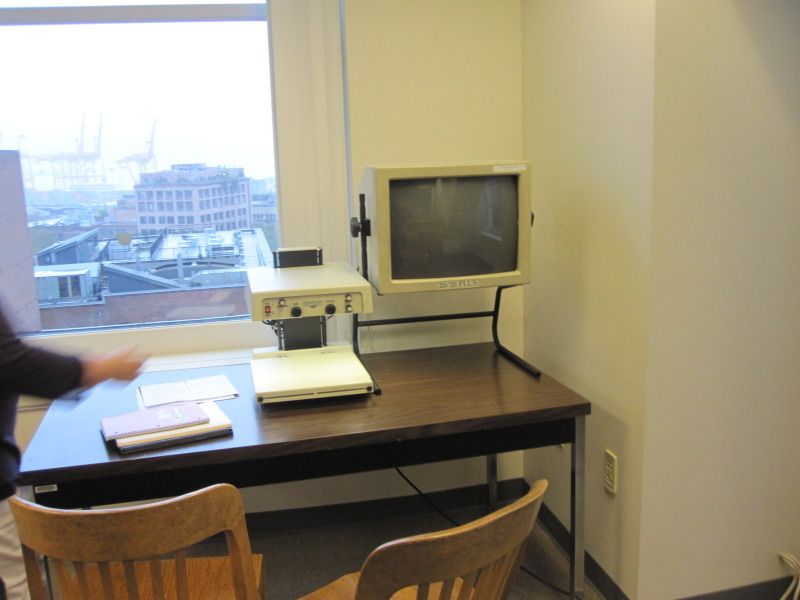
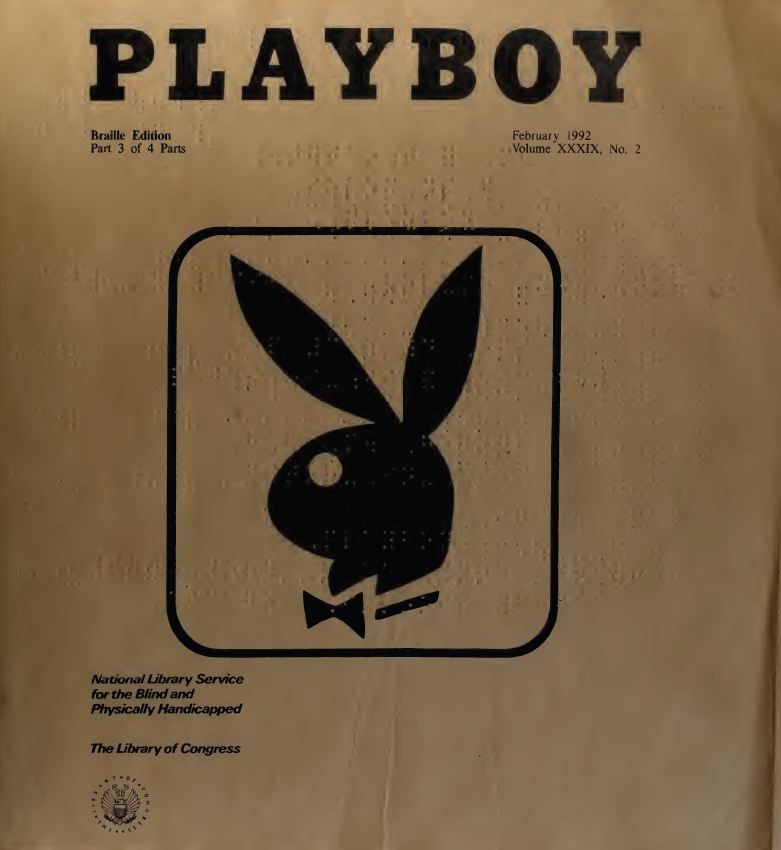
The service provided by the NLS and the network of libraries is invaluable for connecting the visually impaired with accessible information, literature, and technology tools. I highly recommend visiting a library in your area to learn more about the amazing technology available, and the programs operating locally across the nation. If you're interested in this area of librarianship as a career path and in working in DC, NLS has a job opening for a Digital Reference Librarian. The post is open until December 6th. The application process is fairly rigorous and Library of Congress still requires full KSA essays. Good luck if you apply. And as my closing, here's an interesting example of the material transcribed into braille by the NLS.
Sunday, September 16, 2012

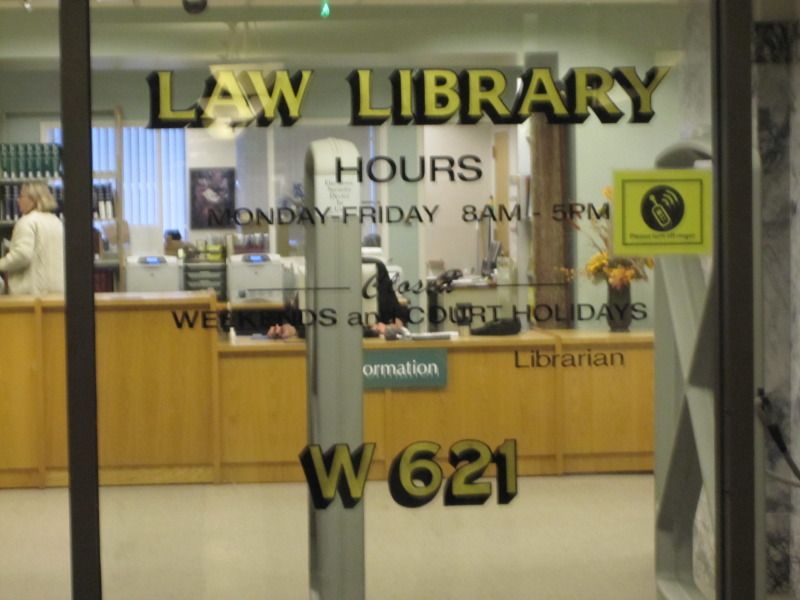
Public Law Library of King County

Law Libraries come in many forms. Law schools are required to have law libraries, which tend to be administratively separate from university library systems. Most academic law libraries tend to be closed to the public, unless they are depositories within the federal depository library program, or the campus is more open to the public. It varies, as to the level of public access for these libraries as their primary purpose is to serve the school to which they are attached. Most law firms, court houses, counties, and cities have law libraries. Many special or public libraries contain legal collections although law might not be the primary collection focus.

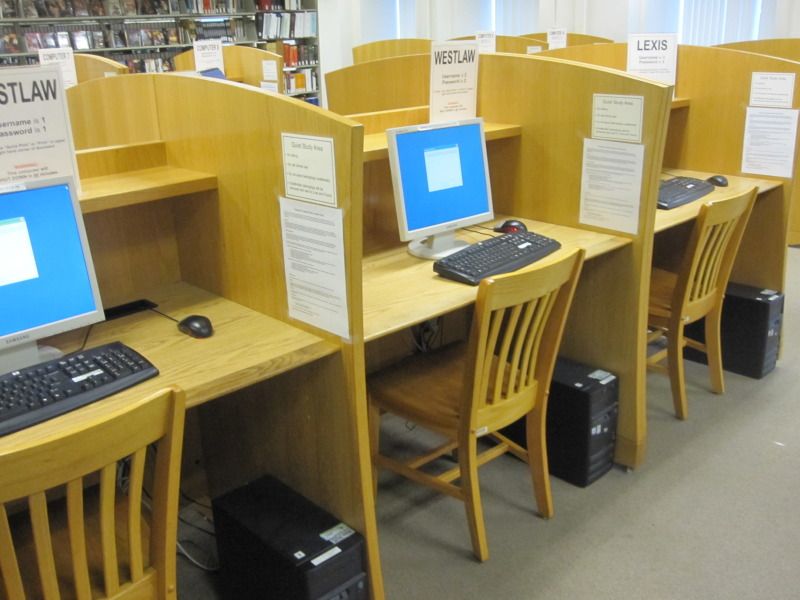
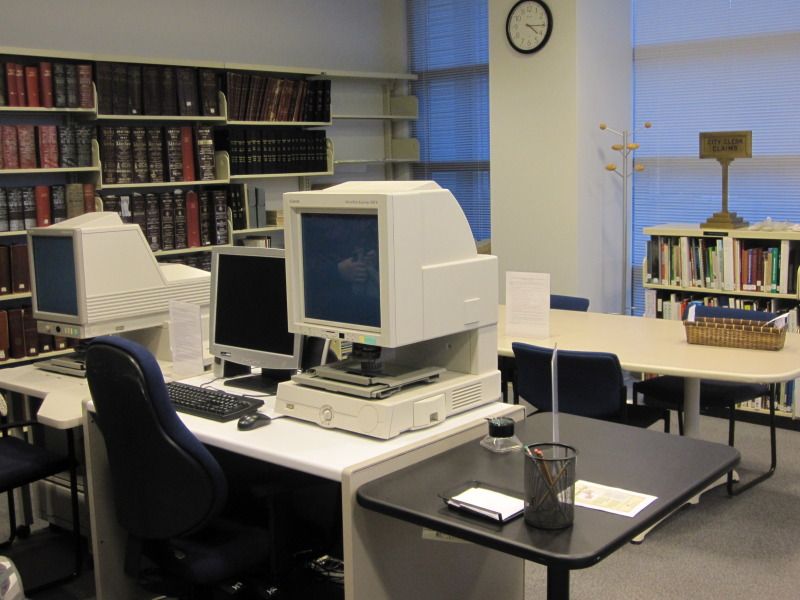
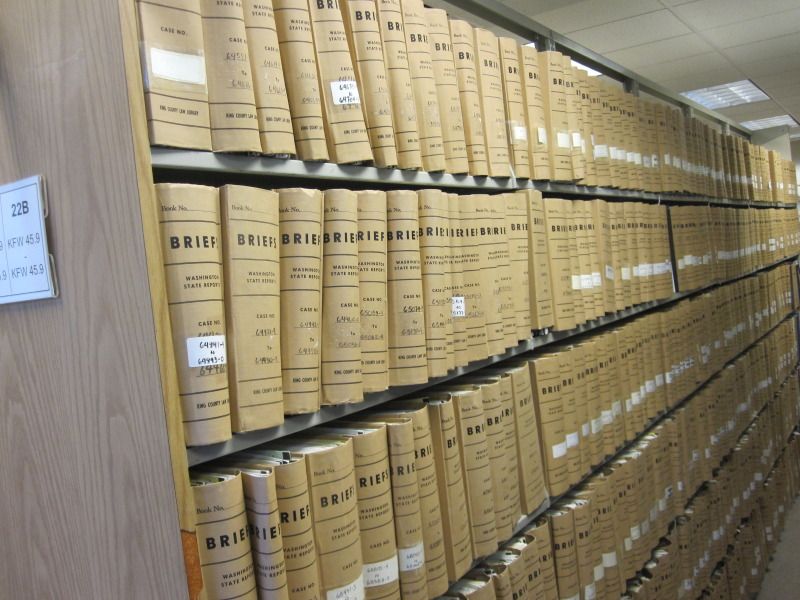
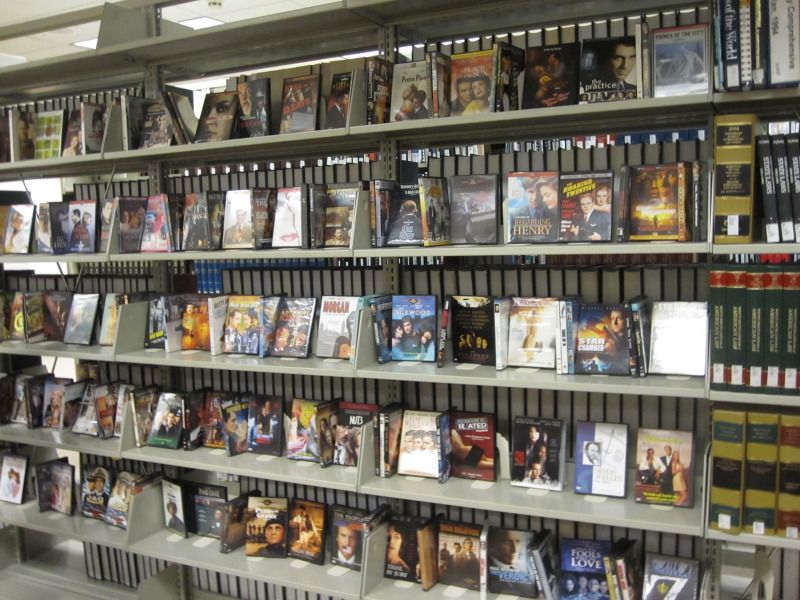
The King County Law Library in Washington State is a public law library that provides access to legal resources for free to anyone who visits the two locations; the King County Courthouse in downtown Seattle or the Maleng Regional Justice Center in Kent, WA. The law library provides check-out privileges to Subscribers. Other services include Conference Room Space, computer use, and access to legal and research databases. The library offers classes on legal topics for a range of experience levels.

The mission of the Public Law Library of King County is to provide the public with access to legal resources. "Without access to information, there is no justice. Public Law Library of King County aids all persons with their need for legal information by providing legal materials, training, education, and services in a welcoming and positive environment." Law librarianship is a fascinating field that tends to draw on people with legal degrees. Most take specialized courses within an MLIS program, or a condensed program in addition to possessing a law degree. Not all law librarians have law degrees, but most have prior legal experience. Law librarians are not practicing layers and cannot give legal advice, but can direct patrons to resources or provide direction to where to find legal counsel.

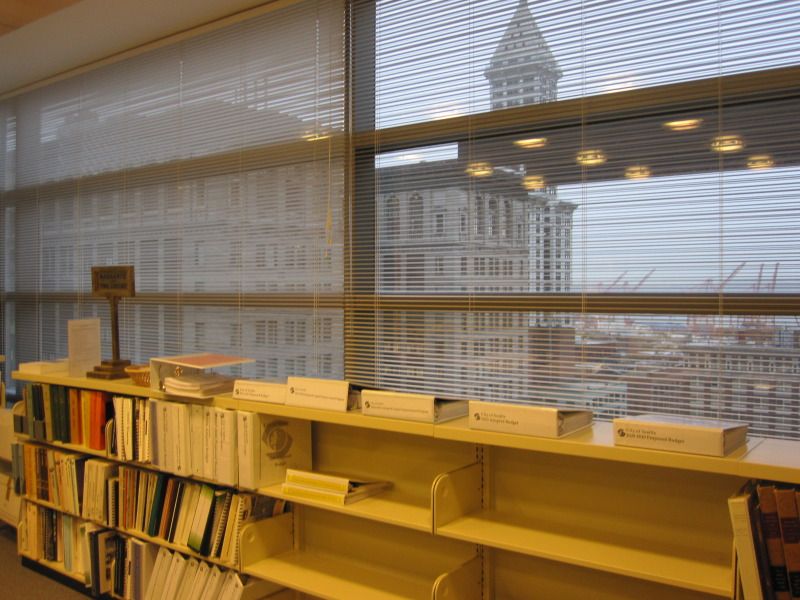
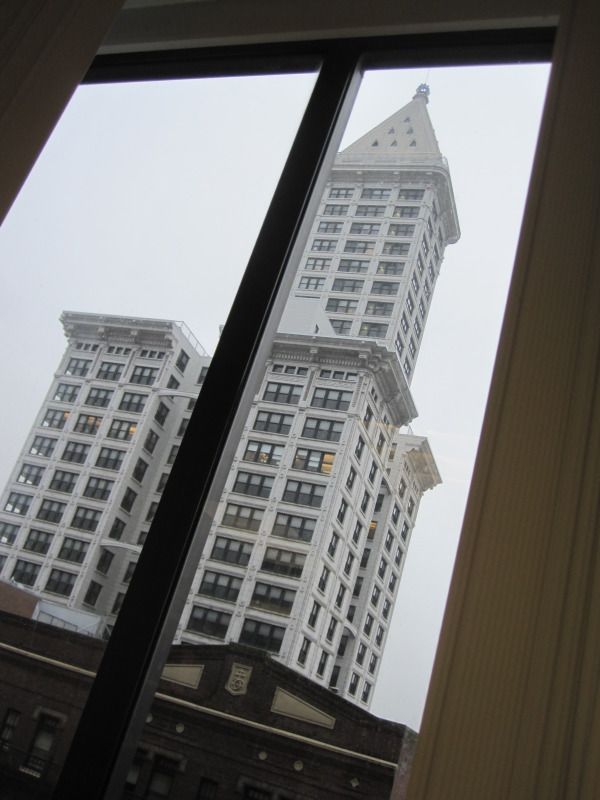
I had the opportunity to visit the law library in the King County Courthouse with a group of MLIS students as part of a library crawl with the University of Washington chapter of the Special Library Association. In addition to the collections and helpful staff, they also have great views of some Seattle landmarks, such as the Smith Tower.


Sunday, June 3, 2012

National Library of Education

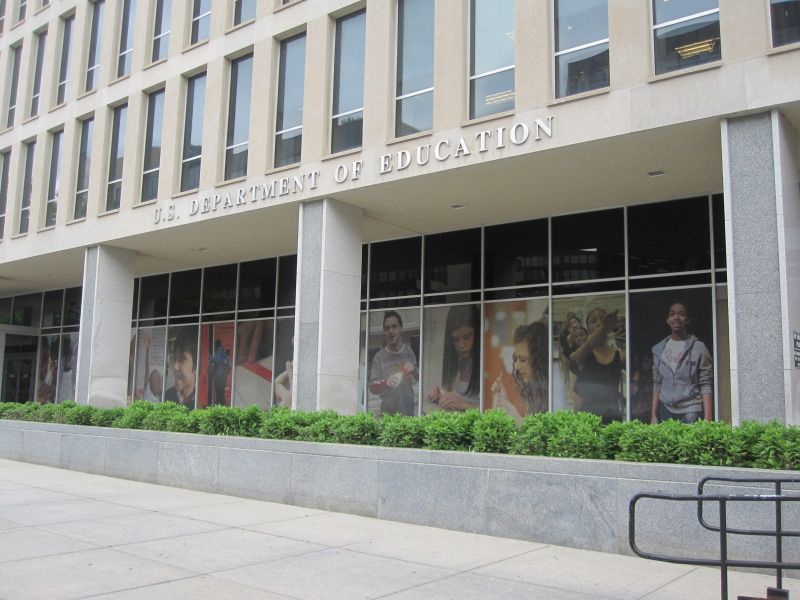
The United States Department of Education was established in 1980 by combining several federal agencies to work towards the mission of promoting "student achievement and preparation for global competitiveness by fostering educational excellence and ensuring equal access." - Ed.gov. The department headquarters in Washington, DC is spread among several buildings. The library is located in the Lyndon Baines Johnson (LBJ) Department of Education Building on Maryland Ave.

LBJ Building

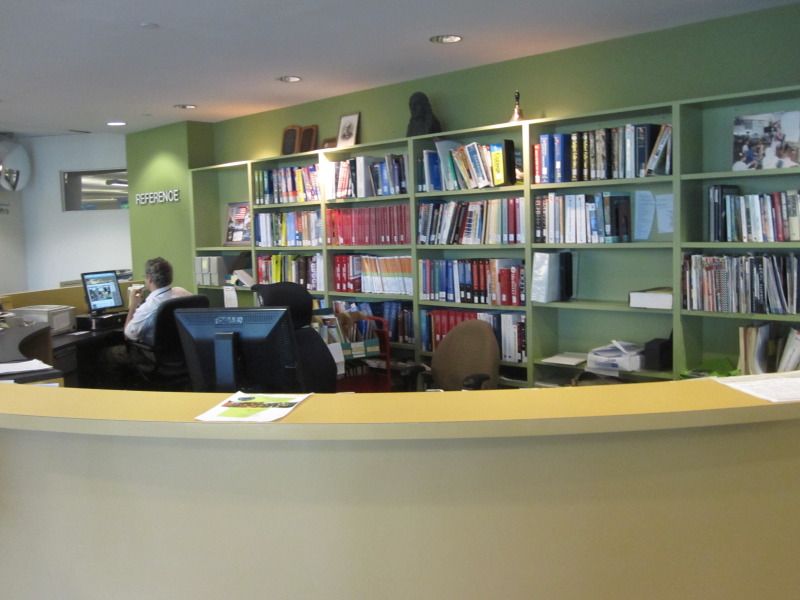
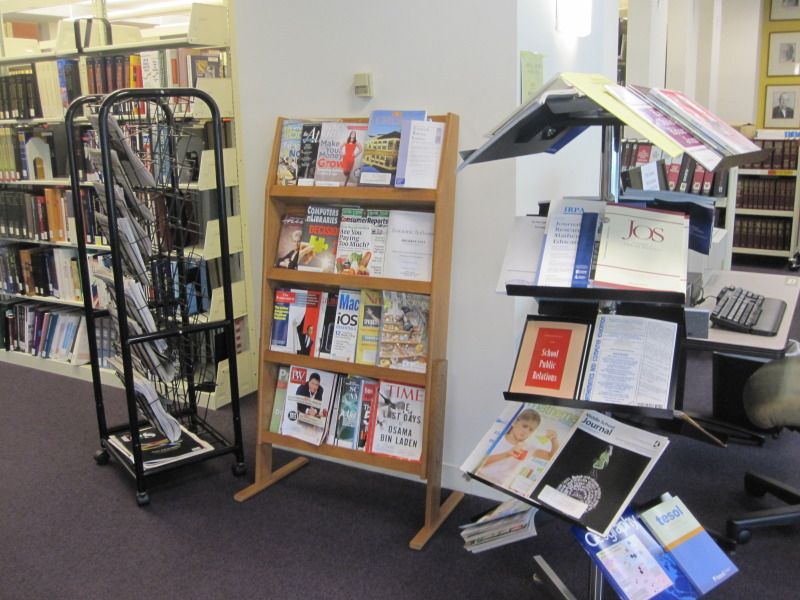
Although the library is in the basement of the building, the space has a picture window across from the reference desk that looks out onto a green space, which lets in natural light. The National Library of Education (NLE) collection contains over 60,000 books and more than 1000 English language electronic and print journals with a central focus on education, but also includes related subject areas such as "law, public policy, economics, urban affairs, sociology, history, philosophy, psychology, and information science" - NLE. The library is administered under the The National Center for Education Evaluation (NCEE), which is tasked with evaluating federal programs and disseminating information, among other things. The NCEE also oversees the Education Resources Information Center (ERIC) which is the world's largest digital library of grey literature on education such as conference, research, or policy reports and papers. ERIC was developed to provide an easy to use and search widely accessible database of bibliographic and full-text education research and information. While, commercial vendors may offer more extensive access to full text databases, ERIC is still a very useful resource for research into this subject area.

The NLE is open to the public for on-site access to collections, as well as services by phone, web, fax and mail. Services include statistical and reference services, government documents access as a Federal Depository Library and access to some material through inter-library loan. The library catalog is available online for search, although many of the electronic resource links are restricted and require on-site access or ILL request through your local public, school or academic library.

One question I came across through a visit to Library of Congress was posed by a researcher there. I attended a tour of the Business Resources Reading Room. We were discussing the collection development policy of the LOC and an attendee asked if any library keeps a historical archive of textbooks used in public schools, if someone were researching what was taught in the past and how it has changed. I thought it was an interesting question. Library of Congress doesn't generally collect textbooks, which is explained in the education section of the collection development policy. The librarian did say they sometimes receive reference questions from students looking for the teacher's guide with answers to tests.

In case you are now wondering, there doesn't appear to be a definitive collection of historical textbooks. I conducted a very quick and in no way exhaustive search for libraries with textbook collections. Library of Congress has a special collection of McGuffey Reader Collection. Indiana University of Pennsylvania has a collection development policy for textbooks, to support the College of Education and Educational Technology, but only keeps current editions. The University of Chicago Library has a subject guide pointing to a few more collections of historical textbooks. Other resources include The Center for Research Libraries, Nietz 19th Century Schoolbooks, or the Harvard Graduate School of Education special collection of historical textbooks.

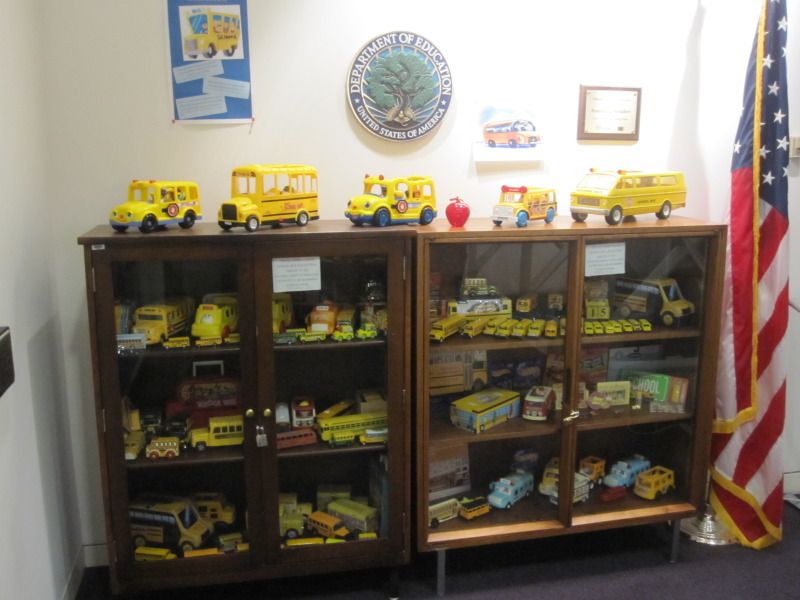
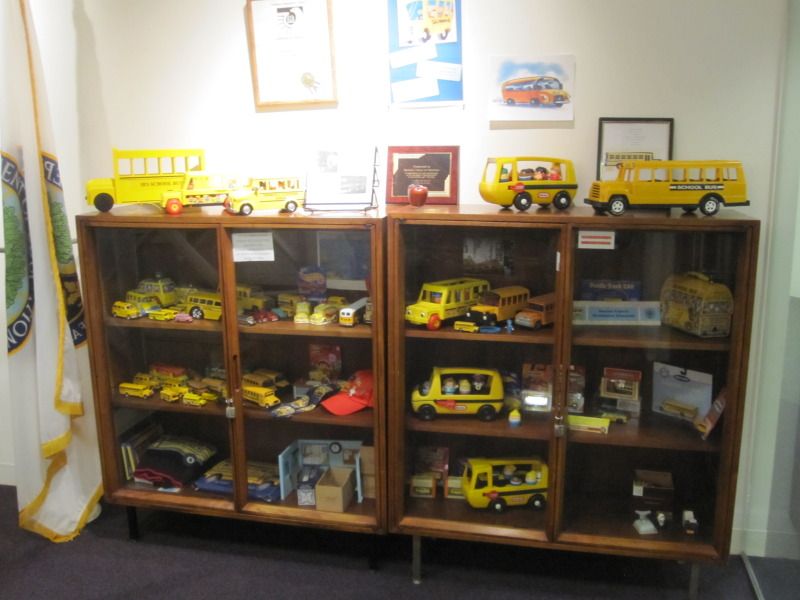
You can add National Library of Education to the list. Their collection of textbooks is organized by subject and contains textbooks for the mid 1800s to the mid 20th century. The library’s collection also includes most of the reports by the Department and its predecessors going back to the 1870’s as well as a collection of federal education legislation. This library is yet another example of fascinating special collections where the ability to focus collection to a specific subject area allows the collection to dig deep for information available with a narrow scope. If you have the opportunity to visit, check out the school bus collection at the entrance. It's pretty adorable.
reference desk

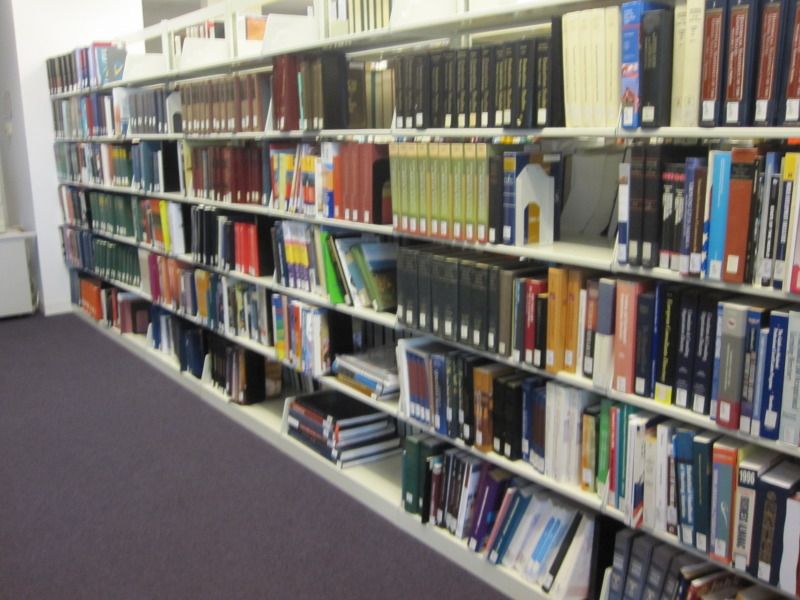
stacks
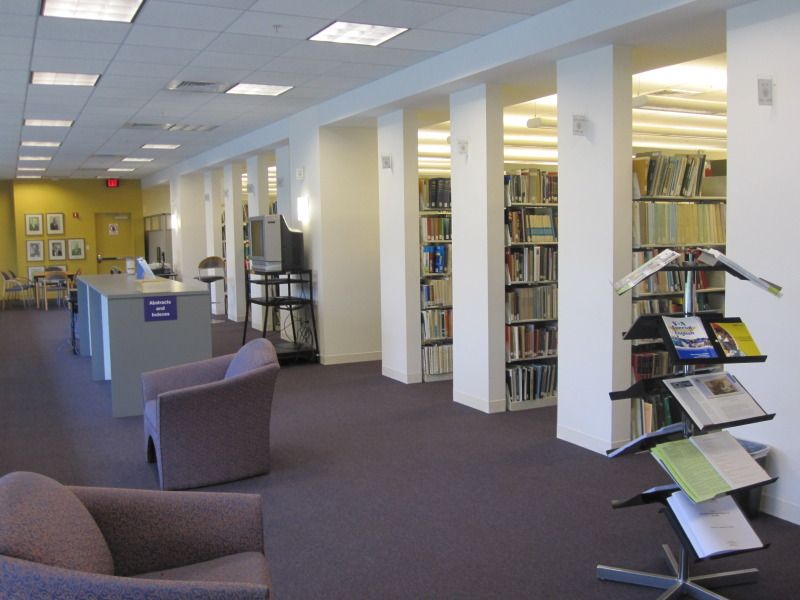
journals and reference
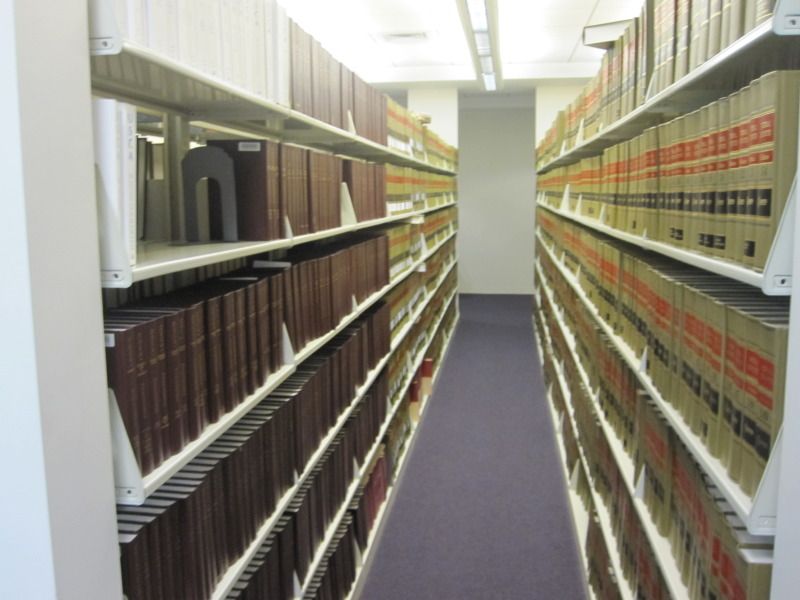
Legal Reference
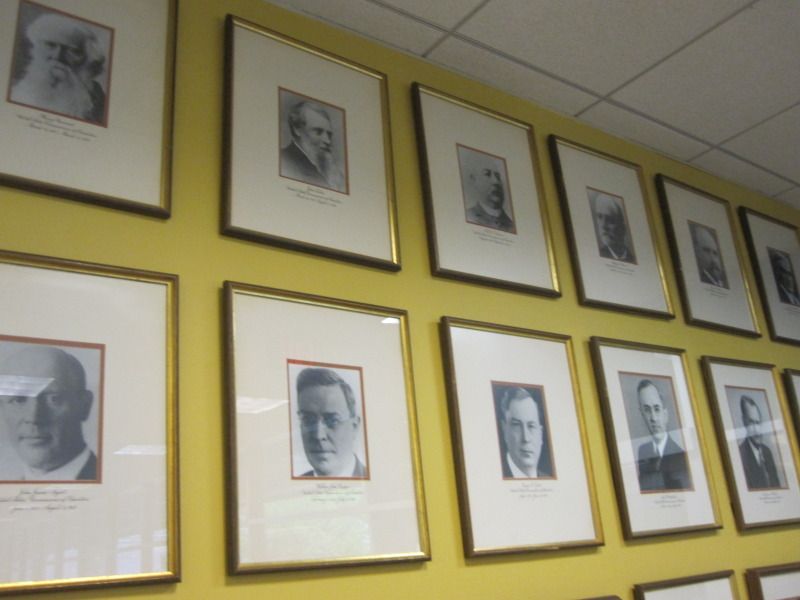
Past Directorsschool buses
school buses