Showing posts with label government documents. Show all posts

Sunday, March 24, 2013

National Archives at Seattle

The students in the chapter of the Special Libraries Association at the University of Washington (SLA-UW) were kind enough to share another report from their visit to the National Archives at Seattle. This archive is part of the National Archives and Records Administration (NARA), and is a regional repository for records. Thanks again to Violet Fox for the pictures and summary of the visit!

-----------------------------------------------------

Co-sponsored by the UW chapter of the Society of American Archivists and SLA-UW, our tour to the National Archives and Records Administration(NARA) Seattle facility was a huge success with 19 participants!
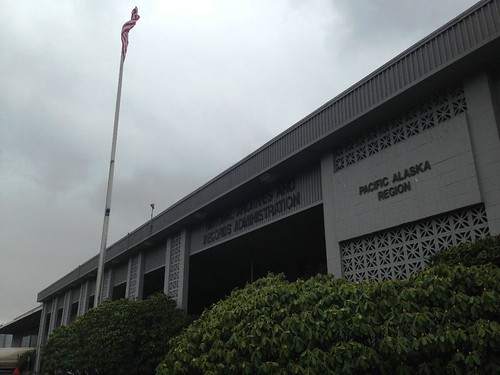
NARA front door
Archivist Ken House and student assistant Jill Anderson graciously showed us around and thoroughly answered our many questions.

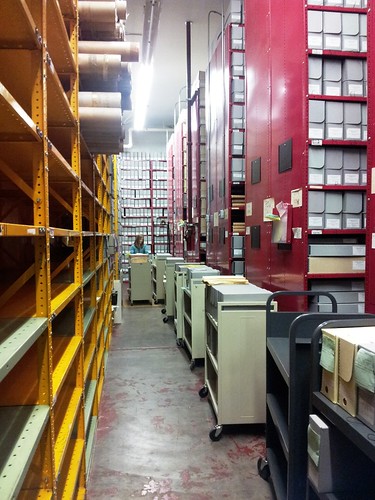
The NARA building on Sand Point was originally built in 1945 as an aviation storehouse. When World War II came to an end shortly after, it was repurposed for federal record keeping. The Seattle facility is responsible for storing records from federal agencies and courts in Idaho, Oregon, and Washington. It also contains a wide variety of historical records, including military, census, naturalization, and immigration records.

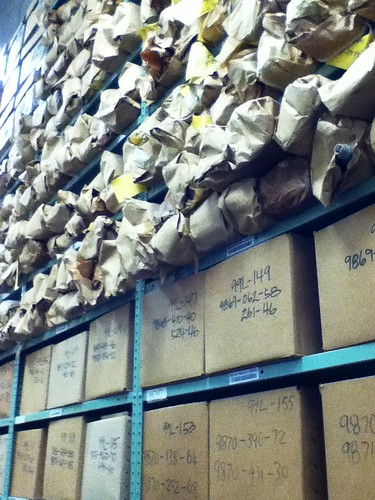
The facility is one of the largest repositories of the Bureau of Indian Affairs; those records are used frequently for genealogy and land border questions. There are many documents that have information about effects of the Chinese Exclusion Act of 1882. Other records such as plat maps and building plans help researchers identify environmental pollution that may have occurred. NARA’s records on the McNeil Island Penitentiary are also well-used. Nearly all their files are paper documents; collections of photographs and other media are sent to the National Archives facilities in College Park, Maryland. With about 38,000 cubic feet of records, the Seattle facility serves over 100 different governmental agencies. They struggle frequently with insufficient space, shredding unneeded documents when they run out of room.
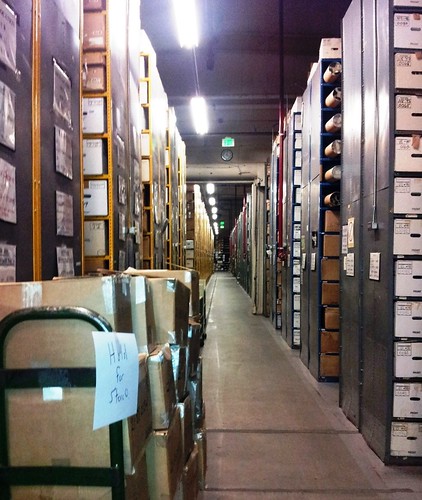
NARA stacks
NARA stacks
NARA stacks
The staff at NARA includes four archivists, two technicians, and a number of students and volunteers that help run the day-to-day activities of the archive. There are also a number of record management staff (who establish policy and train on proper records information management), additional record staff, and a regional manager. The archives staff are kept busy retrieving records, answering questions and requests, and preserving items. They get about ten to fifteen requests a day by phone and email, along with in-person visitors who can bring in their own scanners or digital cameras. Unfortunately they simply don’t have the time or staffing to scan items or catalog them with item-level or often even box-level descriptions. Visitors are welcome for whatever reason they want to see the materials–there’s no requirement to prove a research need.

NARA is an extraordinary resource conveniently located just three miles from the UW campus. They’re often looking for volunteers–if you’re looking to get experience in archives, check their website for more information!

Sunday, November 18, 2012

EPA Region 10 Library

This week's post is provided by the University of Washington chapter of the Special Libraries Association. Ann Pool, SLA-UW Distance Representative, wrote the text, and co-Vice Chair Violet Fox provided pictures.
------------------------------------------------
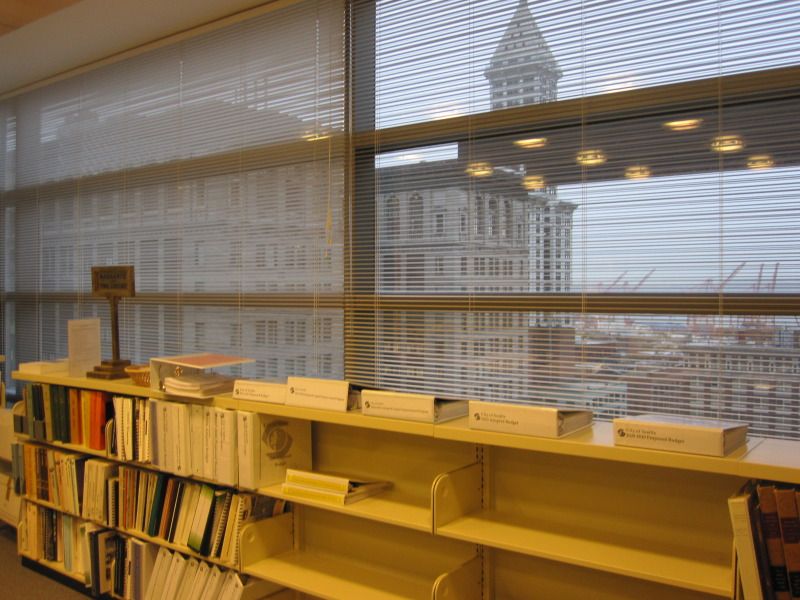
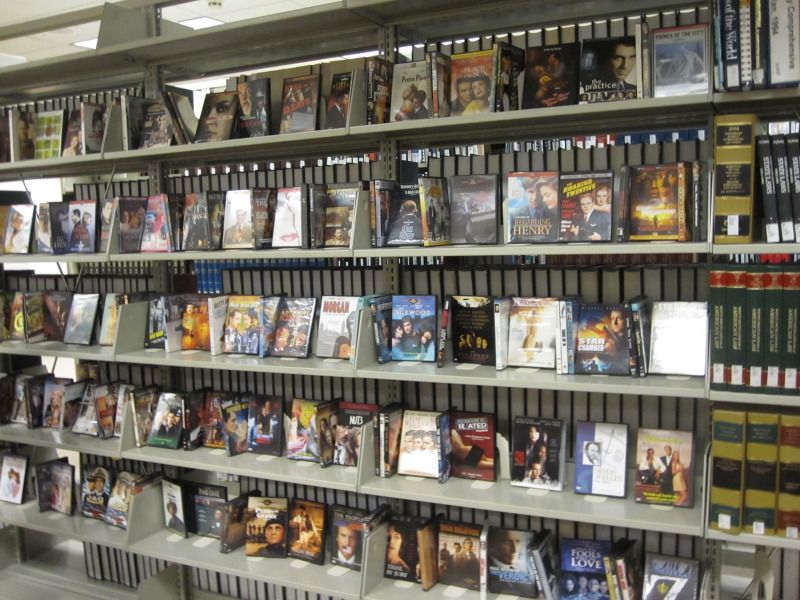
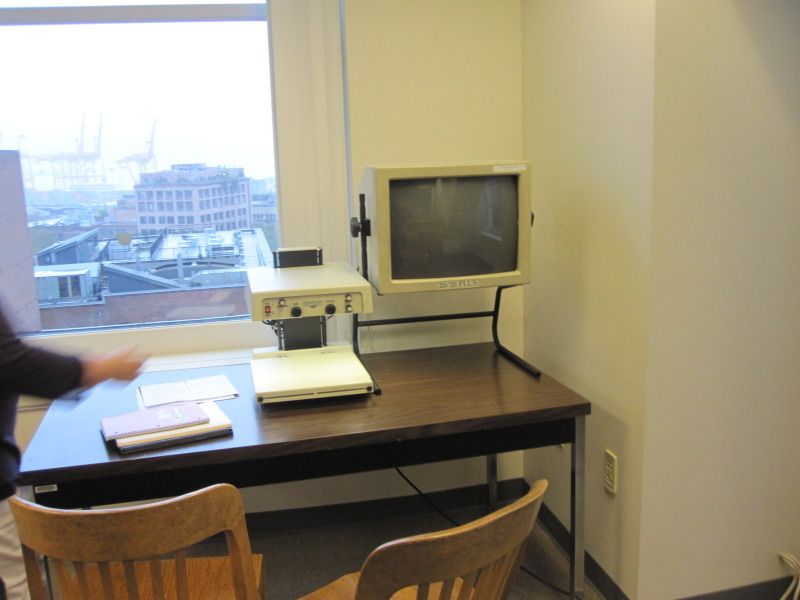
The second SLA library crawl of the quarter took us to downtown Seattle. Our first stop was the EPA Region 10 Library on the 10th floor of the Park Place Building, overlooking Freeway Park. We first checked in at the Public Environmental Resource Center (PERC) where a wide variety of non-technical environmental publications are available free to the public. Liz Doyle, the librarian, met us there and gave us a tour of the library.
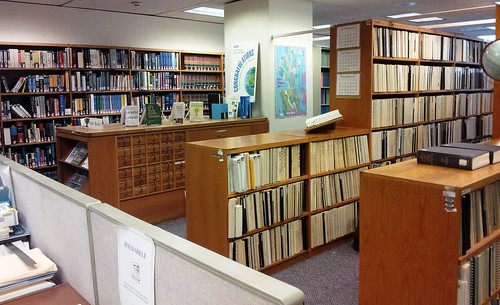
EPA Region 10 Library
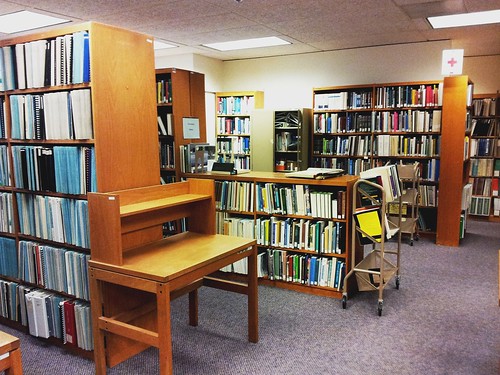
The library has been open since the EPA was established in the early 1970s. Liz works with two assistants: Adam specializes in interlibrary loans, and Kara deals with serials and reference. The main patron base consists of about 600 EPA staff members in Washington, Oregon, Idaho, and Alaska, including those in remote locations. It’s also open to the public. Liz tries to encourage people to come in to the library. Although electronic access has become the most frequent mode of library use, some people do like to come to the library for a quiet work environment.

The library’s technical systems may not be state of the art, but they serve their purposes well. Items are bar coded and checked out with cards issued to each patron. The library uses Inmagic’s DB/TextWorks catalog as well as an agency-wide union catalog. They also have a regional intranet with a library portal listing free and fee-based information. Patrons appreciate the simple interface.
EPA Region 10 Library
They’ll be moving down to the first floor soon, which will locate them next to the PERC and make them more visible to the public. As often happens with moves, many print documents will be weeded. Liz looks at demand patterns and the possibility of printing on demand when making weeding decisions.

While ready reference questions have declined substantially as people can look up simple questions on line, the library does get a good number of reference requests through their Ask a Librarian online form. Liz told us about a recent question where a staffer needed a new handbook on output-based emissions and was unable to find it. She located it quickly for the patron. Liz also enjoys training people on research locally and through webinars. She often answers small questions but is better able to convey the big picture of the research process through training sessions.

Liz’s prior work experience helped her get hired for her current position. She had worked at law firms after graduating from library school at the University of Michigan, so when the EPA was looking for someone with experience in legal research and cataloging she had the right combination of skills. It pays to learn new things!

Sunday, September 16, 2012

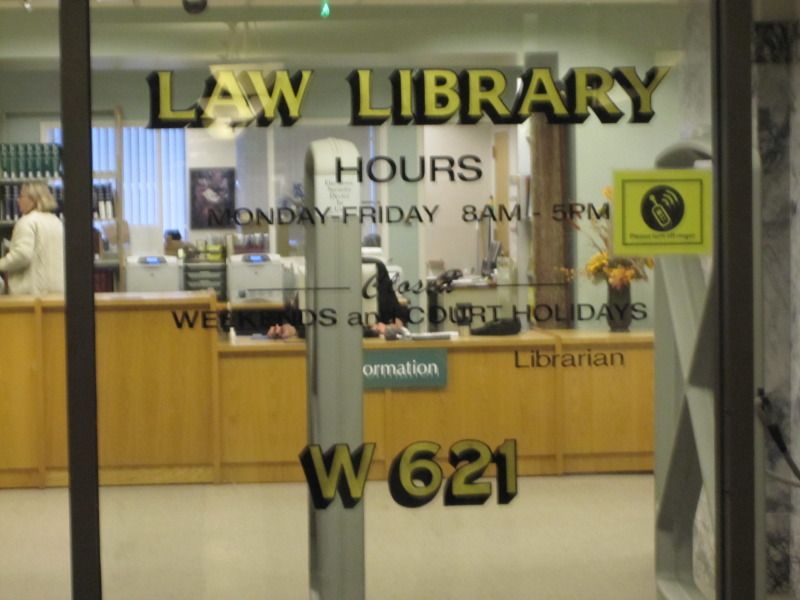
Public Law Library of King County

Law Libraries come in many forms. Law schools are required to have law libraries, which tend to be administratively separate from university library systems. Most academic law libraries tend to be closed to the public, unless they are depositories within the federal depository library program, or the campus is more open to the public. It varies, as to the level of public access for these libraries as their primary purpose is to serve the school to which they are attached. Most law firms, court houses, counties, and cities have law libraries. Many special or public libraries contain legal collections although law might not be the primary collection focus.

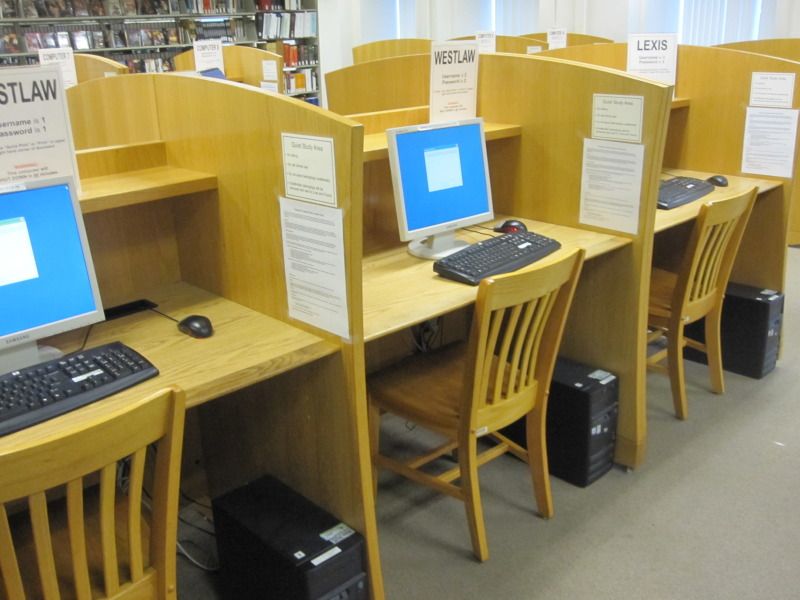
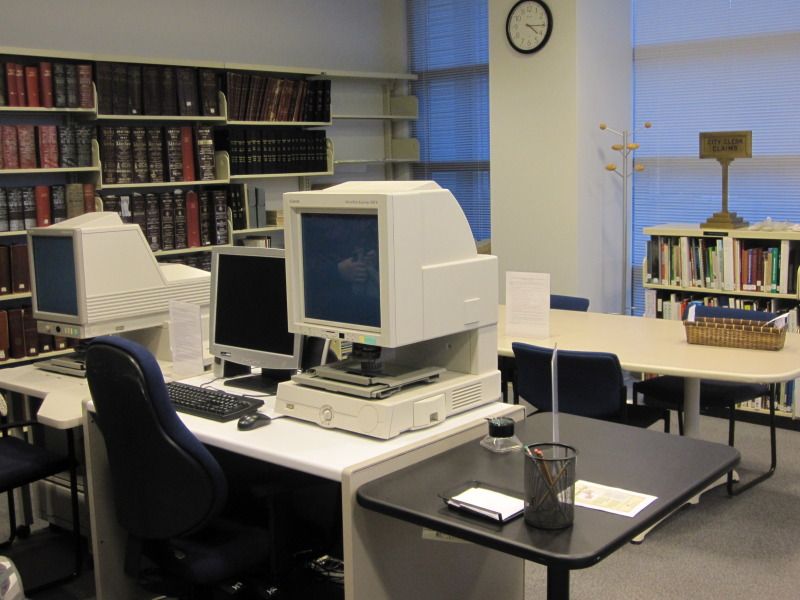
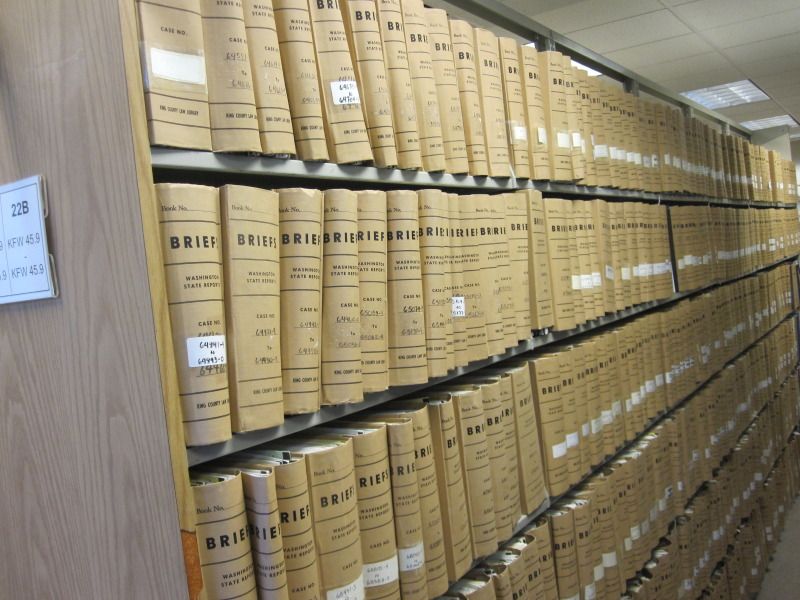
The King County Law Library in Washington State is a public law library that provides access to legal resources for free to anyone who visits the two locations; the King County Courthouse in downtown Seattle or the Maleng Regional Justice Center in Kent, WA. The law library provides check-out privileges to Subscribers. Other services include Conference Room Space, computer use, and access to legal and research databases. The library offers classes on legal topics for a range of experience levels.

The mission of the Public Law Library of King County is to provide the public with access to legal resources. "Without access to information, there is no justice. Public Law Library of King County aids all persons with their need for legal information by providing legal materials, training, education, and services in a welcoming and positive environment." Law librarianship is a fascinating field that tends to draw on people with legal degrees. Most take specialized courses within an MLIS program, or a condensed program in addition to possessing a law degree. Not all law librarians have law degrees, but most have prior legal experience. Law librarians are not practicing layers and cannot give legal advice, but can direct patrons to resources or provide direction to where to find legal counsel.

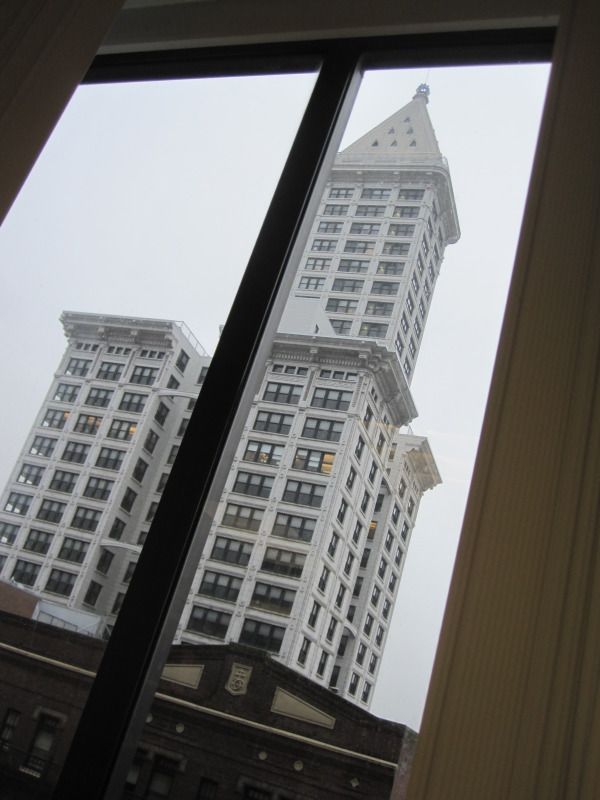
I had the opportunity to visit the law library in the King County Courthouse with a group of MLIS students as part of a library crawl with the University of Washington chapter of the Special Library Association. In addition to the collections and helpful staff, they also have great views of some Seattle landmarks, such as the Smith Tower.


Sunday, September 2, 2012

United States Military Academy's Jefferson Hall Library

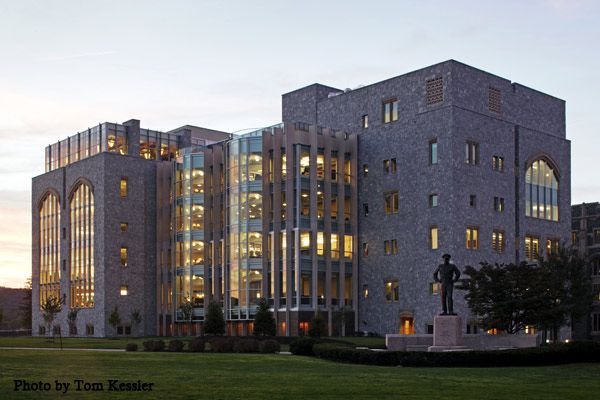
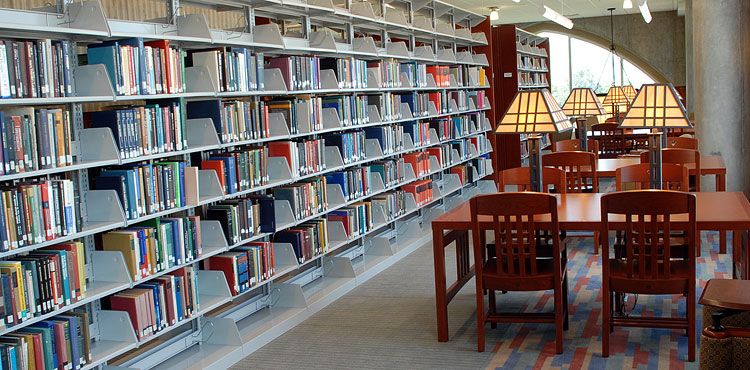
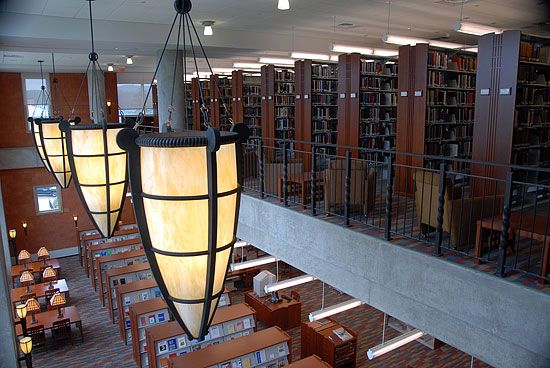
The United States Military Academy's Jefferson Hall Library was listed in the Princeton Review Annual The Best 377 Colleges as #2 for Best College Library. Congratulations USMA Library! (Harvard College got #1) USMA may be more familiarly known as West Point. In checking out the Library's website I came across a 12 page tour book that provides a lot of great detail and some images of the Jefferson Hall Library. It's worth taking a look at the six floors and to get a little jealous of the beautiful views.

The catalog is publicly searchable, and some of the Special Collections and Archives might be accessible by request.

"The Special Collections and Archives Division reading room is open to researchers Monday through Friday, 0800-1630; exceptions will be posted. Researchers (excluding USMA Cadets, staff and faculty) are accommodated by appointment only and require approval from the Associate Director for Special Collections and Archives. To request a research appointment, please complete the Researcher Registration form in advance of your visit. Please allow time for us to respond; appointments are not set until confirmation is received." --Library Website

You can fill out a researcher request form online after browsing the Special Collections or Archives collection descriptions and finding aids. Lucky you who are be granted access to this beautiful building and collections. For those unable to visit in person, this Online Photo Gallery will have to suffice. There are also a few digital collections accessible on the website for you to browse through, like these Colonial and Federal Era Maps Collection

Saturday, July 28, 2012

Newspaper and Current Periodical Reading Room at the Library of Congress

The Library of Congress is the ultimate special library. Taken as a whole it's in a class akin to national libraries around the globe. The library is comprised of many buildings, divisions, and collections. It's too difficult to cover the library in one post. This is the first in a series of posts about the special collections and reading rooms found within the Library of Congress (LOC). The LOC has hosted a series of webinars through Fedlink about Area Studies. I attended a recent one titled "Research Treasure Troves of the Serial & Government Publications Division: Collections and Services" (Link to Webinar) which was hosted by the Serial and Government Publication Division of LOC. The webinar was entirely fascinating, however what impressed me most was the revelation that Library of Congress preserves an impressive collection of Comic Books.

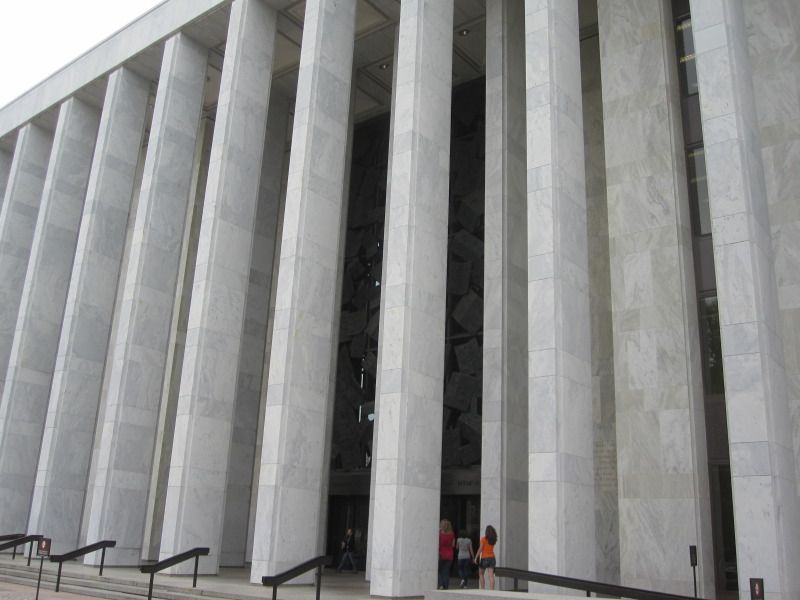
The Library of Congress has many reading rooms for researchers to access the plethora of materials in the collections. The Newspaper and Current Periodicals Reading Room is inside the Madison building, one of three LOC buildings on Capitol Hill in Washington, DC.


I have not yet found the time to visit this reading room, but hope to eventually. For those not able to make a trip in person, some resources are available online through the division's work with national programs such as the National Digital Newspaper Program, some webcasts about the collection, search tools, and a bibliography of Internet resources outside of the Library of Congress. The bulk of the collection is only available inside the reading room, however some duplication services may be available for off site patrons, for a fee.

The Comic Book Collection at LOC is probably one of the largest in the United States. Full access to the fragile materials is limited to serious researchers, but there are an extensive number of titles available in the Comic Book Fiche collection which can be photocopied following the general photocopy guidelines. For some instant gratification, and fun times also check out the digitization project at University of Nebraska - Lincoln Libraries, Government Comics Collection. These two covers, taken as screenshots from the digital copy online link to the full online version. These are just two of the many gems worth browsing through in the University of Nebraska Libraries digital collections.


Sunday, June 24, 2012

The Hawaii State Library

The Federal Depository Library Program (FDLP) was established by Congress to ensure the American public has access to a certain level of government information. Since 1813, depository libraries have safeguarded the public's right to access by collecting, organizing, maintaining, preserving, and assisting users with information from the federal government. The FDLP provides government information at no cost to designated depository libraries throughout the country and territories. These depository libraries, in turn, provide local, no-fee access to government information in an impartial environment with professional assistance.

As institutions committed to equity of access and dedicated to free and unrestricted public use, the nation's nearly 1,250 depository libraries serve as one of the vital links between "We the people" and our Government. Anyone can visit federal depository libraries and use the federal depository collections which are filled with information on careers, business opportunities, consumer information, health and nutrition, legal and regulatory information, demographics, and numerous other subjects. - Taken from the FDLP Desktop Website

The FDLP newsletter often highlights Federal Depository Libraries (FDLs). This week's post is a re-post of the highlight of the Hawaii State Library. The images and text below were taken from the FDLP newsletter. Check out the list of other depository library highlights on the FDLP Desktop and to read the original post on the Hawaii State Library.

In the interest of not crossing the lines of fair use , I am only including a portion of the original post, and some of the photos, and encourage you to read the full post in the FDLP newsletter and check out some of the other libraries on the highlight list.
_______________________________________
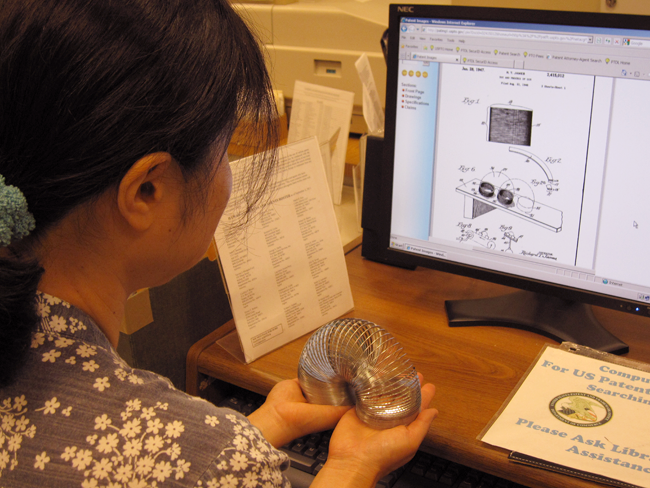
Would you like to apply for a U.S. passport and learn about traveling abroad and the countries you’re visiting? Are you an inventor researching patents? Are you also interested in foreign trade and marketing possibilities for your product? In Honolulu, Hawaii, you’re in luck; the Hawaii State Library (HSL) has a rich Federal depository collection and offers many additional services involving U.S. Government information. In addition to serving as a Federal depository library since 1929, spanning years as a U.S. territory and state, the library’s Federal Documents Section partners with other Federal agency programs for services that regularly attract new visitors and returning patrons alike. The knowledgeable and helpful staff express, “E Komo Mai” or “Welcome” to all.

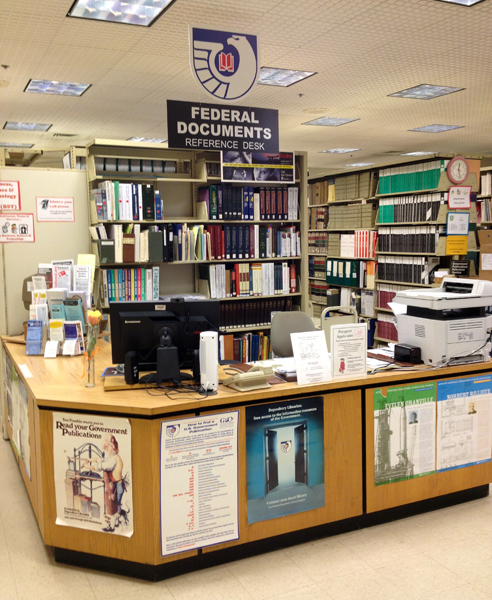
The Hawaii State Library is the main library of the Hawaii State Public Library System, which supports three Federal depositories within the state. When entering the library building, the Federal Documents Section is clearly identifiable with colorful Government posters. The unit has a historic Federal depository collection, public computers, staff-created resource guides, and much more. Federal Documents Section staff have proactively sought out opportunities that enhance access to the Federal depository collection and U.S. Government information in general, resulting in greater visibility for the depository collection and the library. Read the full article here.

Government Documents Reference Desk
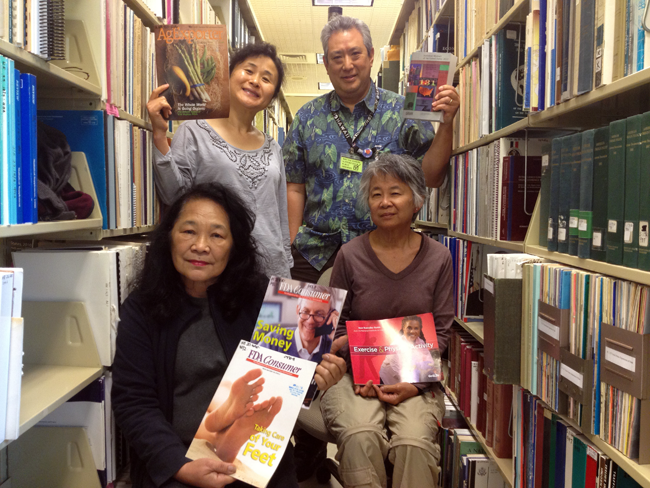
Government Documents Staff
Patent Searching