Showing posts with label closed collection. Show all posts

Sunday, November 18, 2012

EPA Region 10 Library

This week's post is provided by the University of Washington chapter of the Special Libraries Association. Ann Pool, SLA-UW Distance Representative, wrote the text, and co-Vice Chair Violet Fox provided pictures.
------------------------------------------------
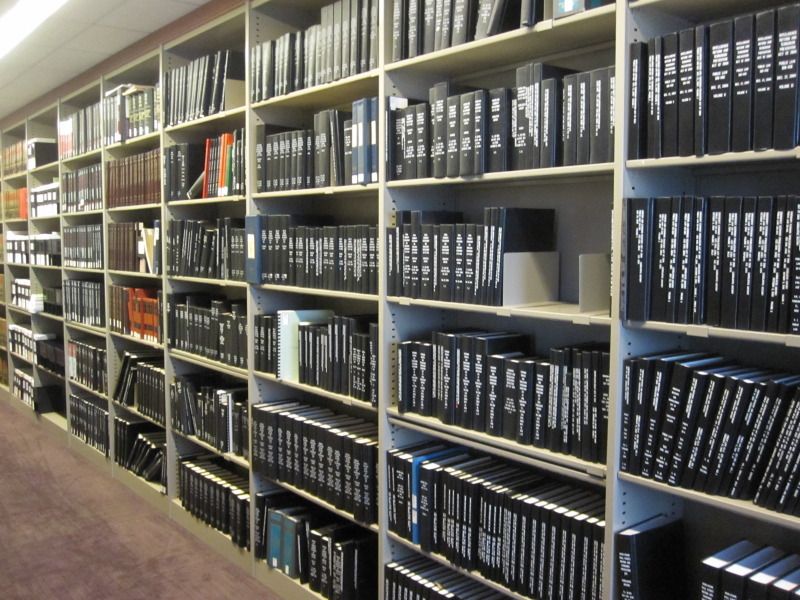
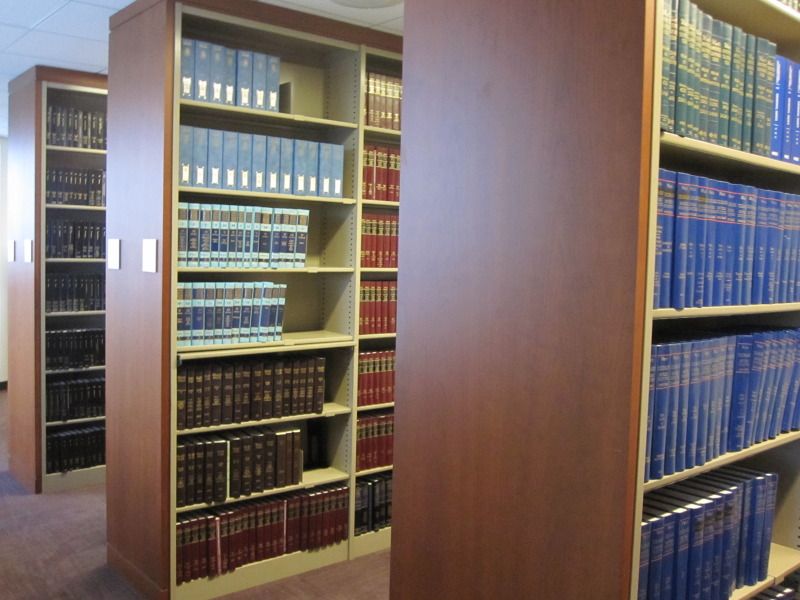
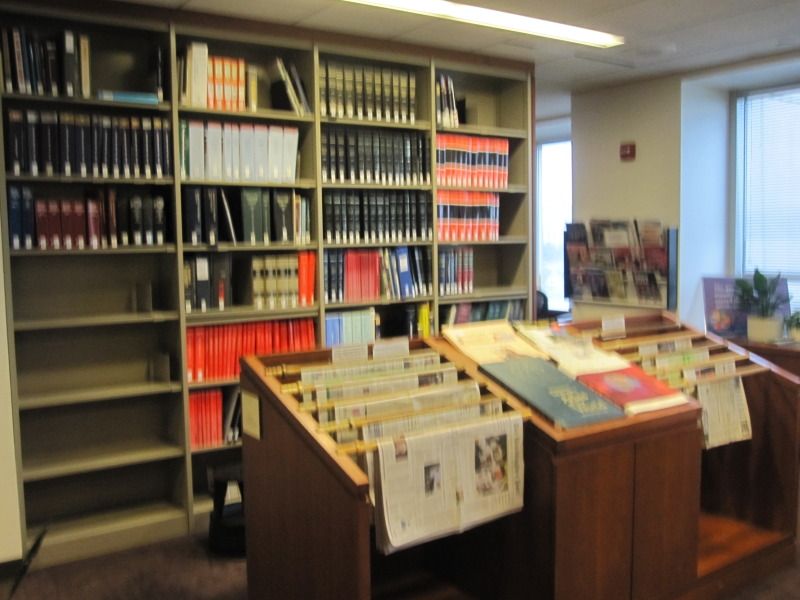
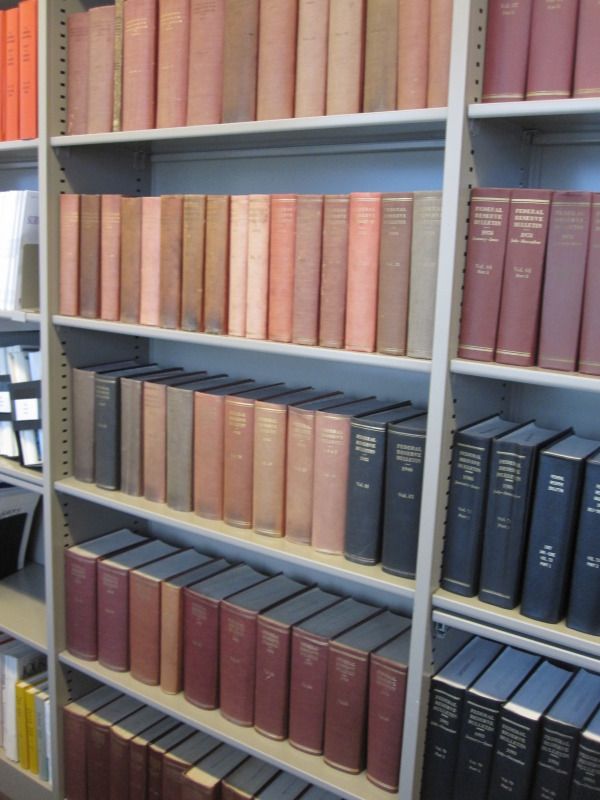
The second SLA library crawl of the quarter took us to downtown Seattle. Our first stop was the EPA Region 10 Library on the 10th floor of the Park Place Building, overlooking Freeway Park. We first checked in at the Public Environmental Resource Center (PERC) where a wide variety of non-technical environmental publications are available free to the public. Liz Doyle, the librarian, met us there and gave us a tour of the library.
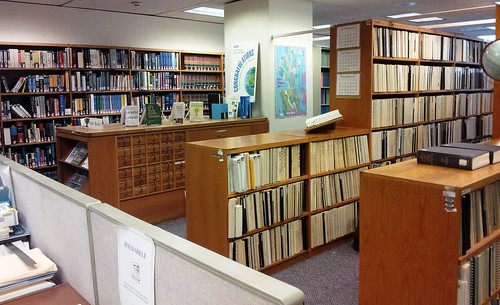
EPA Region 10 Library
The library has been open since the EPA was established in the early 1970s. Liz works with two assistants: Adam specializes in interlibrary loans, and Kara deals with serials and reference. The main patron base consists of about 600 EPA staff members in Washington, Oregon, Idaho, and Alaska, including those in remote locations. It’s also open to the public. Liz tries to encourage people to come in to the library. Although electronic access has become the most frequent mode of library use, some people do like to come to the library for a quiet work environment.

The library’s technical systems may not be state of the art, but they serve their purposes well. Items are bar coded and checked out with cards issued to each patron. The library uses Inmagic’s DB/TextWorks catalog as well as an agency-wide union catalog. They also have a regional intranet with a library portal listing free and fee-based information. Patrons appreciate the simple interface.
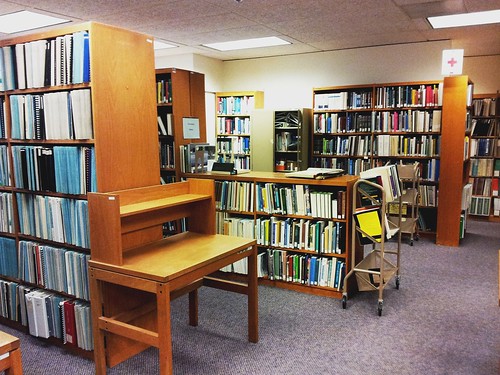
EPA Region 10 Library
They’ll be moving down to the first floor soon, which will locate them next to the PERC and make them more visible to the public. As often happens with moves, many print documents will be weeded. Liz looks at demand patterns and the possibility of printing on demand when making weeding decisions.

While ready reference questions have declined substantially as people can look up simple questions on line, the library does get a good number of reference requests through their Ask a Librarian online form. Liz told us about a recent question where a staffer needed a new handbook on output-based emissions and was unable to find it. She located it quickly for the patron. Liz also enjoys training people on research locally and through webinars. She often answers small questions but is better able to convey the big picture of the research process through training sessions.

Liz’s prior work experience helped her get hired for her current position. She had worked at law firms after graduating from library school at the University of Michigan, so when the EPA was looking for someone with experience in legal research and cataloging she had the right combination of skills. It pays to learn new things!

Sunday, October 7, 2012

Historical Medical Library of the College of Physicians of Philadelphia

A few weeks ago I spent a weekend in Philadelphia with my husband. It was my first time in the city and we did the usual visit to the birthplace of democracy; Independence Hall, the Liberty Bell, Betsy Ross's house, Ben Franklin's print shop and post office, and Elfreth's Alley. We barely scratched the surface of things to do, but only had one day in the city. We decided to spend the afternoon visiting the Mütter Museum.
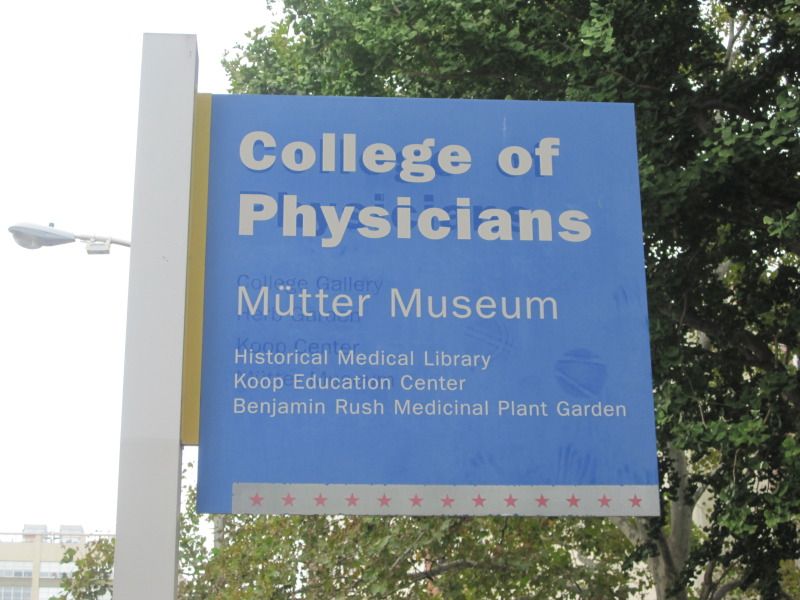
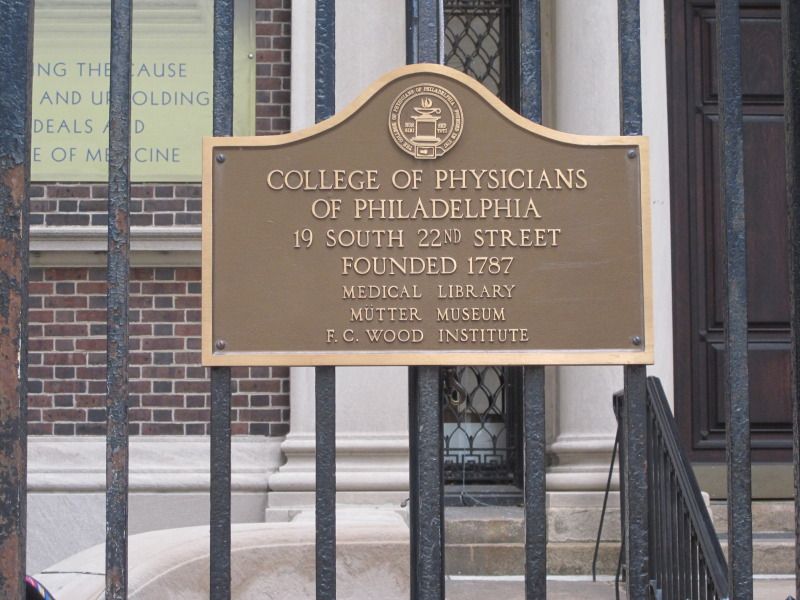
Mutter Museum and Medical Library Sign
The museum is amazing. It definitely has disturbing elements. For me, the wall of fetal deformities was a little difficult to take in. There were exhibits linking Grimm's Fairy tales to medical conditions, and I learned more than I ever intended about skin conditions and the assassinations of Lincoln and Garfield. Check out this article from the British Society for the History of Science Travel Guide for more information about the museum. There was a wonderful quote on a display description that sums up the importance of the collection well.

"A great museum collection is as important to medical education as a great library because specimens are nature's books"

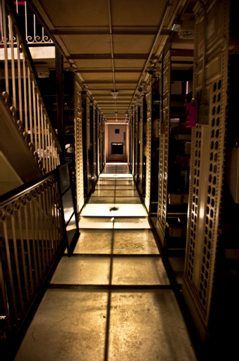
picture of the stacks from the library website While at the Mütter I learned about the Historical Medical Library also housed in the building. Established in 1788, it's one of the world's premier research collections into the history of medicine. Over 400 incunables, manuscripts, archives, and 19th and 20th century medical journals. Sadly, I did not have an appointment, so I could not visit the stacks. The library is open by appointment only Tuesday, Wednesday, and Thursday, 10:00am to 4:00pm.

If you want to see specifics, you can search the catalog online. The Catalog search help is fairly comprehensive if you would like a tutorial in how to use their catalog system.

Also available for distance visitors are the digital resources, Digital Books and two digitized 18th Century Manuscripts.

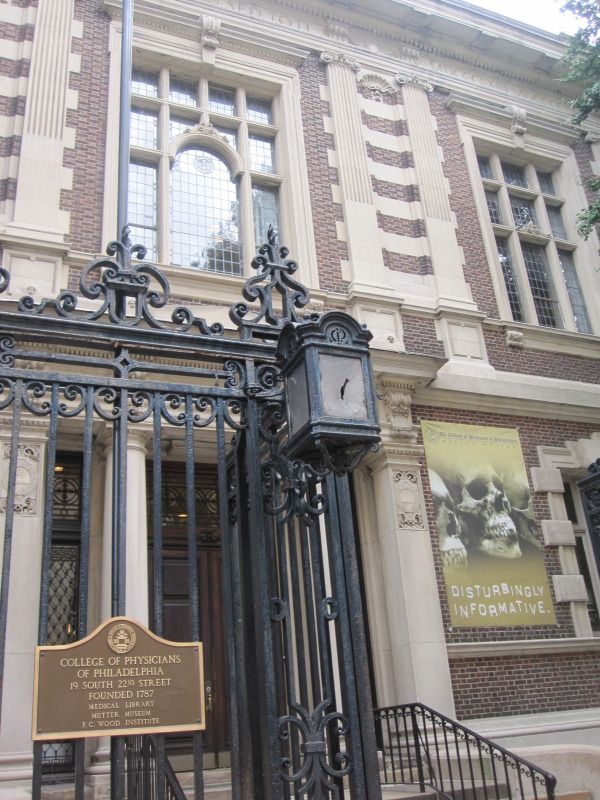
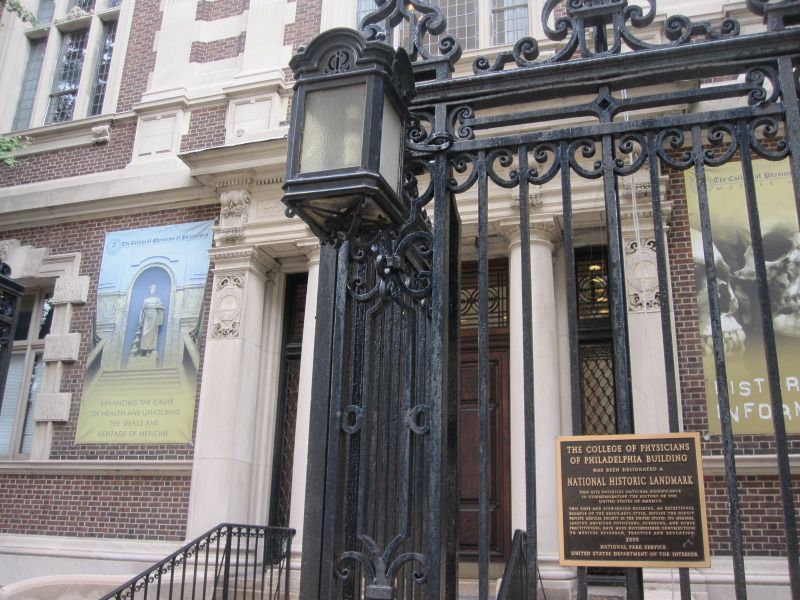
See the library website for history of the collection, or read this very informative article from the Pennsylvania Center for the Book, which is part of the Literary and Cultural Heritage Map. Photos are not allowed within the museum so these shots of the door and the one taken from the library website above will have to satisfy your visual cravings.
Mutter Museum and Medical Library Entrance

Sunday, September 23, 2012

Beautiful Private Libraries

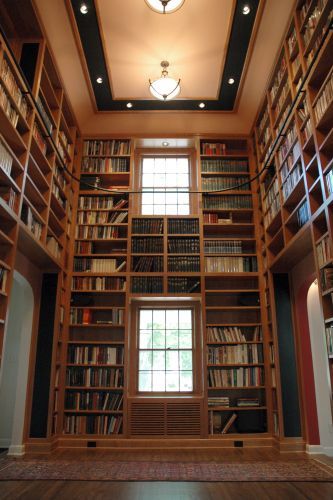
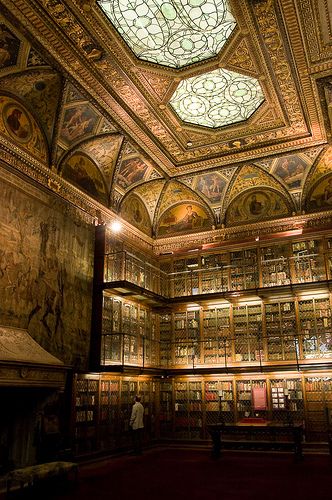
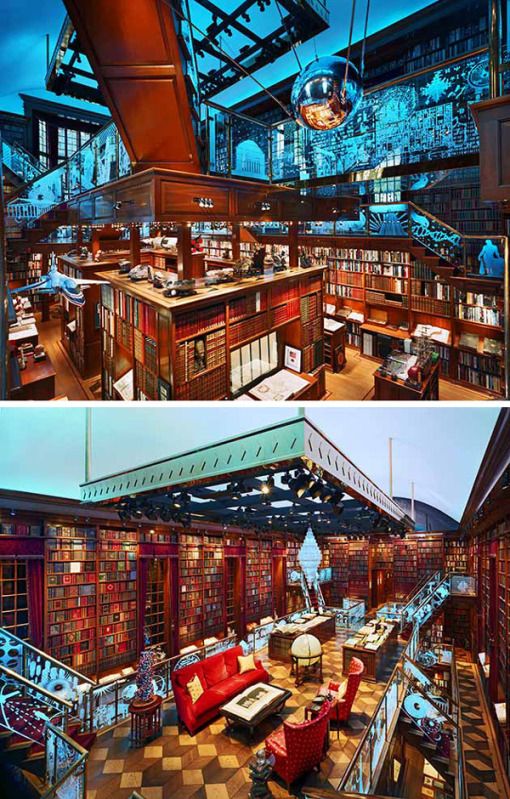
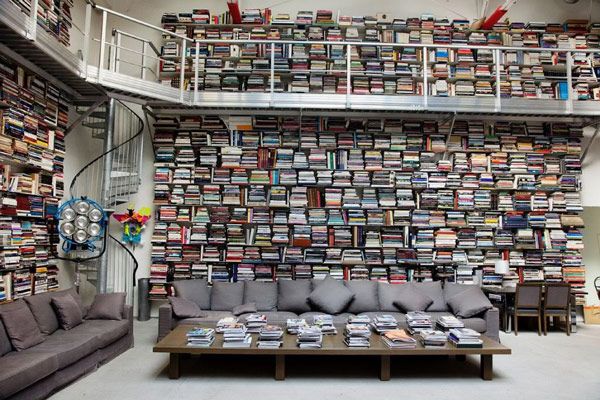
This week's post is about beautiful private libraries. These are libraries and studies in private homes. They might have been constructed with consultation of librarians, but probably do not employ one for maintenance. They are pulchritudinous and enviable. The inspiration for this post is an article that was written in the Star Tribune, A Remodel For the Books. I dream of one day having a beautiful library, and thought today I'd share a few special library eyegasms with you. Click the picture to navigate to the posts and lose yourself in some stunning libraries.


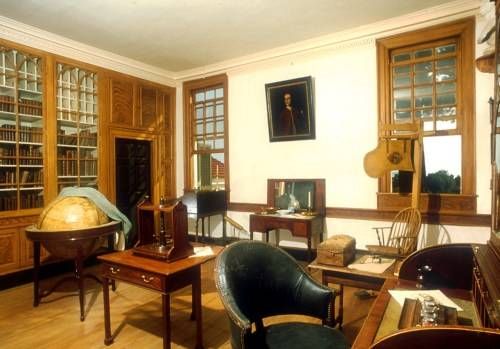
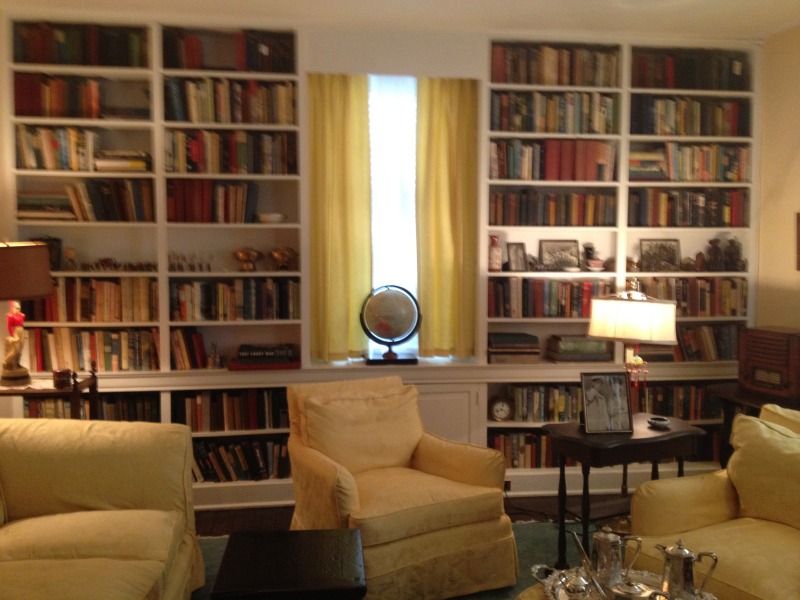
The Art of Manliness website has a post on The Libraries of 15 Famous Men. I've visited George Washington's Study at Mount Vernon. It is rather nice, and George and Martha had great taste in paint.As a final note, this is a shot of George C. Marshall's sitting room, which I fell in love with when I toured his house, Dodona Manor. Remember to check back next week. The post will feature an interview with two landscape architects with the National Parks Service and the Floral Library on the National Mall.

Sunday, July 1, 2012

Libraries without Books

Merriam Webster defines 'library' as "a place in which literary, musical, artistic, or reference materials (as books, manuscripts, recordings, or films) are kept for use but not for sale" or "a collection of such materials" as the first definition. The second definition is the topic of this week's post as well as an ongoing series of "collection[s] resembling or suggesting a library." There are many library collections that comprise physical materials. These are considered libraries because they function as a library, a "collection of materials that are kept for use but not for sale." Museums tend to be look don't touch to preserve objects for posterity, while libraries (and archives) are for the most part hands on working collections.

[I wrote this post before the news broke about the ATF losing 1,400 guns in an unrelated project, but still wanted to feature the tracing library despite the news.]

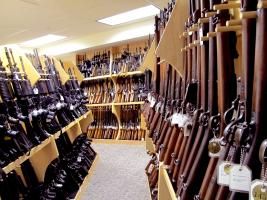
First up, the ATF Tracing Center's gun library, which was featured on Minnesota Public Radio in 2011. The tracing center is, among other things, a resource for law enforcement to trace guns used in crimes. The center receives over 300,000 requests to trace in a year, and keeps a library of over 12,000 firearms as reference for their work. This picture taken from the article is one of many fairly impressive shots of the extensive collection. Check out the article for more photos. Lucky the person who scored the job as library staff here.
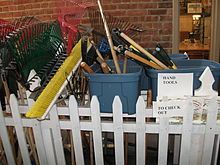
Another common library of physical objects are tool lending libraries. The Berkley Public Library tool lending program. Their program began in 1979 through a grant and is one of the earliest public library tool lending programs.
There are many tool lending libraries in the United States, and Share Starter provides a handy online guide for starting a tool lending program in your area. For more heavy duty projects, there are also subscription services such as Tech Shop where you can gain access to very expensive equipment for those projects you just can't do at home. Here's a shot of the gardening tool collection at the Fletcher Free library in Burlington Vermont (taken from this Wikipedia Article)
There are many more libraries of physical objects outside the standard print, audio, and video media collections than can be covered in one post. These libraries will appear as an ongoing theme of libraries without books, keep checking back for more special libraries to love.

Sunday, May 13, 2012

National Public Radio (NPR) Library

Special libraries are found within many different types of organizations, such as broadcast networks. Many have internal libraries and librarians which provide archival, research, information retrieval and reference services. These library collections are often closed to the public, focused on serving the needs of direct staff and affiliates. Librarianship within media organizations is a fascinating part of special libraries. In an article from American Journalism Review, in 1995, the 'news librarian' was described as, "the collectors, managers, and re-distributors of the organization's primary product, information. This is critical in all stages of information's flow through the organization – initial information gathering for use in news reporting, in the collection of the news product into databases, in the repackaging of information created by the organization into new products." Much has changed in the industry in the last fifteen years, however the role of collector and manager of the organization's content is still a vital one.

NPR is a non-profit privately and publicly funded membership media organization. The content produced by NPR is nationally syndicated to over 900 public radio stations in the United States. The NPR library does not have a publicly accessible website, as their collections are not available for circulation and reference outside of NPR affiliated patrons. The collection consists of archival audio of NPR produced shows, collections of commercial music and spoken word (films, tv shows, speeches, poetry). Library staff do have a twitter account that is well worth following. The tweets often highlight stories on the NPR website such as this one about the The Most Gigantal, Behemothian Thesaurus In The World

The NPR website is full of ancillary information about the library. An example is this post from This is NPR about a request for Generic Superhero Music for a taping of All Things Considered. A search of the NPR website for "NPR Library" returned 56 results, a mixture of heard on air, blogs, multimedia, and full-text stories. Browsing through the results provides some background on the work and efforts of library staff at NPR. For further information about NPR in general, the Wikipedia site is rather robust, and contains an extensive list of references. The NPR library won the ALA Information Today, Inc. Library of the Future Award in 2012 for the Artemis training project. This article discusses the work at NPR Library in more detail, and this is a DC/SLA tour report from 2010.

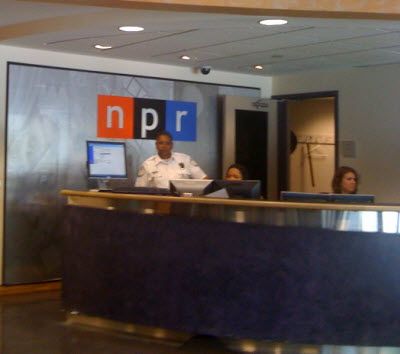
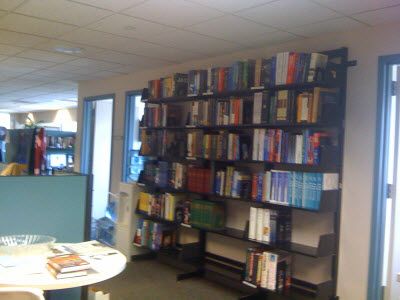
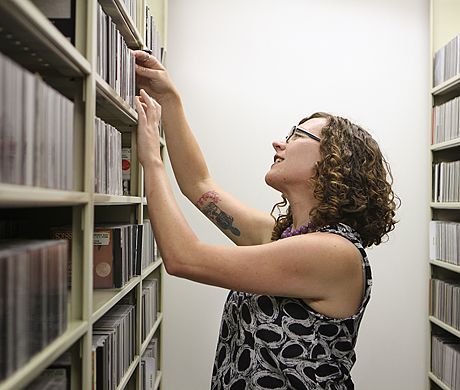
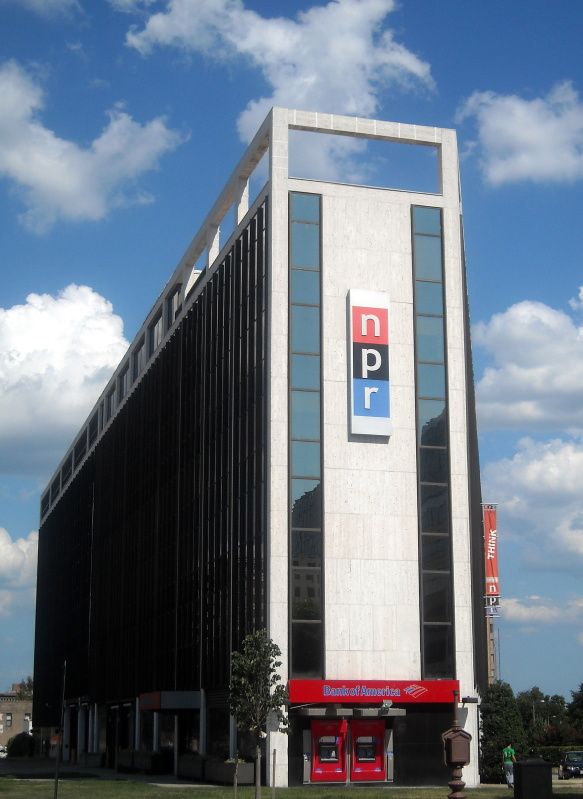
I did not take any pictures of the space when I had the opportunity to tour the NPR library. I found a nice one on NCinDC’s Flickr Photostream of the NPR headquarters building. I also found a tour write up from the Medical Library Association 2010 conference with some pictures of the space, and one of former intern (now Music Librarian) Jane Gilvin from NPR's Intern Edition Blog searching the CD shelves, published in August 2011.


Sunday, May 6, 2012

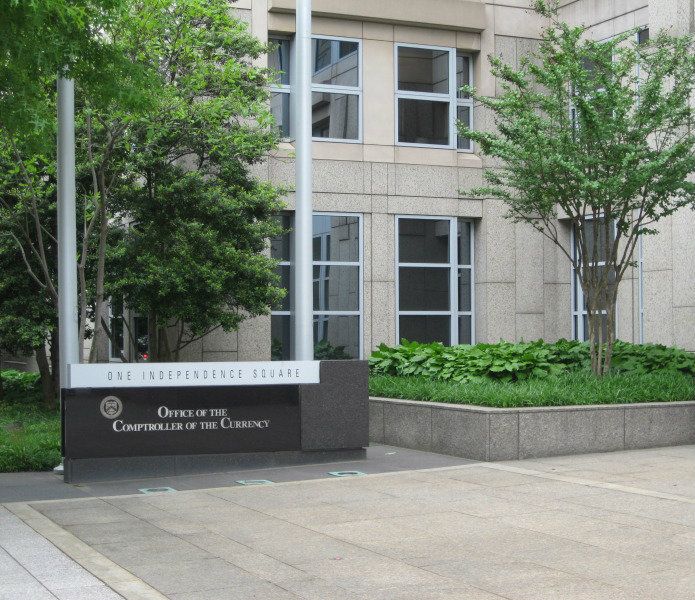
Office of the Comptroller of the Currency Library

The Office of the Comptroller of the Currency (OCC) was established in 1863 and tasked with the mission "to charter, regulate, and supervise all national banks and federal savings associations." (OCC Website). The OCC is an independent bureau under the Department of the Treasury and does not receive appropriation funding from Congress. The bureau is sustained through assessment fees paid by banks and federal savings associations as well as investment income. See the OCC website for access to publications from the bureau. For further information on the history of the bureau, see this OCC publication.

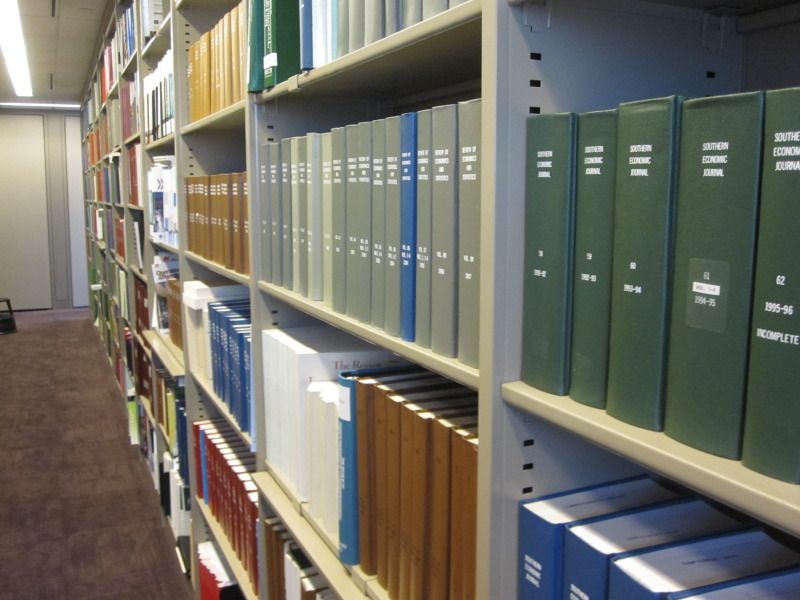
Many federal agencies have strict network security measures that preclude libraries from providing public access to catalogs, web resources, etc. The library of the OCC does not have a web presence, and portions of the collection are not open to the public for security reasons. The space is open to research visits upon request. The library is a selective depository with the Federal Depository Library Program, and as such, must make those portions of the collection accessible to the public. Click here for OCC library contact information. The OCC collection focuses finance, banking, and has several stacks of statutes and regulations at the state and federal level. A unique part of the collection are the bound legislative histories created by librarians on staff.


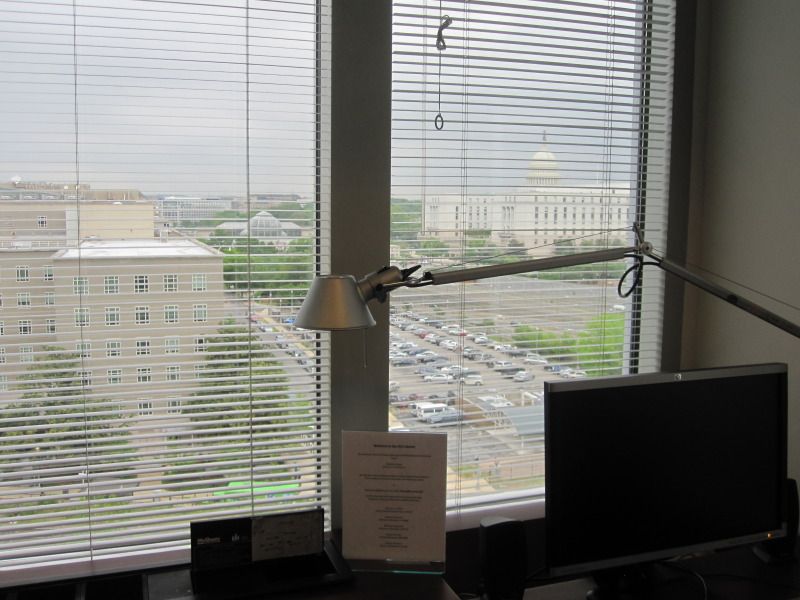
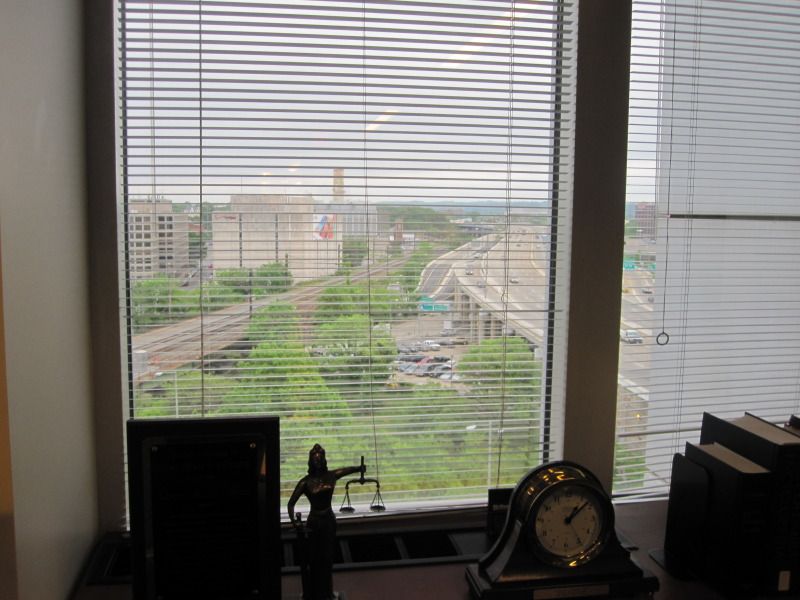
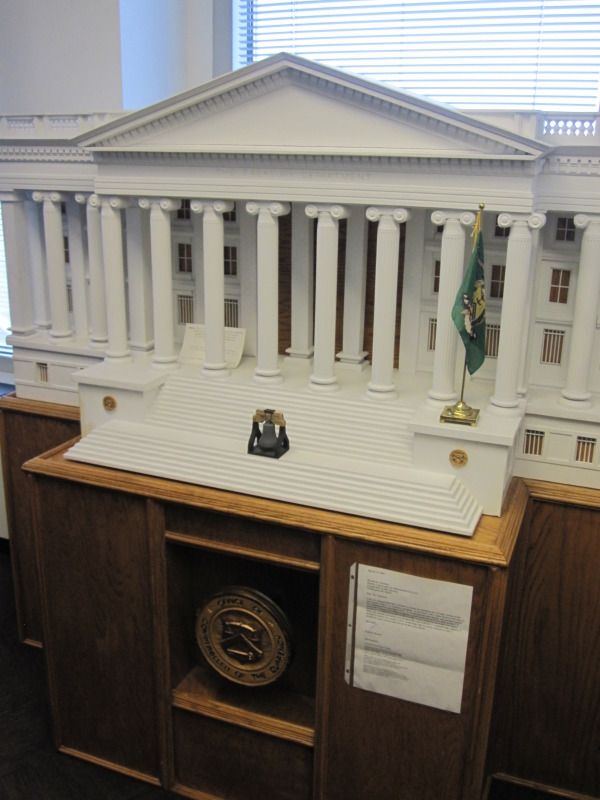
The library is located on the 9th floor of the OCC offices. The view from the windows is impressive. The OCC is moving offices in a few weeks and the view will be significantly different, but library staff and extensive collections will continue to serve OCC patrons from their new home. Here are some shots of the current view, and a model of the Treasury building in downtown DC (A gift to the Treasury Department that founds its way to the OCC library.


Saturday, March 31, 2012

ATF National Laboratory Center and Defense Technical Information Center

I recently had the opportunity to visit the National Laboratory Center library within the Bureau of Alcohol, Tobacco, Firearms and Explosives. The facility is located in Beltsville, MD and is not open to the public. The opportunity to visit the library at the laboratory center was eye opening in seeing another side of special libraries, the solo librarian in a secure collection serving only agency staff and existing in an invisible realm from the public eye. Photography was prohibited for security reasons, and the library itself does not have a public website. The librarian in Beltsville also provides remote library services to two satellite collections in Atlanta and San Francisco. The collection consists primarily of journals, with about 5,000 monographs stored among the three library locations. There are also some monographs from the early 1900's stored in a locked archive with compact shelving.

The National Laboratory Center library catalog is managed by the The Department of Justice Libraries. Some of these libraries are slightly more accessible to the public, but primarily serve Department of Justice affiliated users. The shared catalog access across the DOJ increases use and access to collections of information for staff at the National Laboratory, as well as across the DOJ.

Another information center, closed to the public but serving a high level of users within its organization is the Defense Technical Information Center, which provides information services to staff and affiliates of the Department of Defense. Their website is fairly robust and contains a great deal of publicly accessible content on defense related topics. Search the database of public technical reportsor the A-Z directory to see what is publicly accessible on the website.

There are many special libraries and information centers staffed by librarians/information professionals that are 'hidden' from the public view, but serve a crucial need for information services within corporations, government agencies, or non-profit organizations. Some have websites and are able to share resources with the public through digital access, some participate in Inter-library loan and make records available through OCLC. Some are inaccessible due to the secure nature of collections or security of the location. These are fascinating repositories of specialized information run by amazing librarians. If you have an opportunity to visit one, or are lucky enough to work in one, appreciate it, because they are a great part of what is special about special libraries.