Showing posts with label international collection. Show all posts

Sunday, January 27, 2013

National Sporting Library & Museum

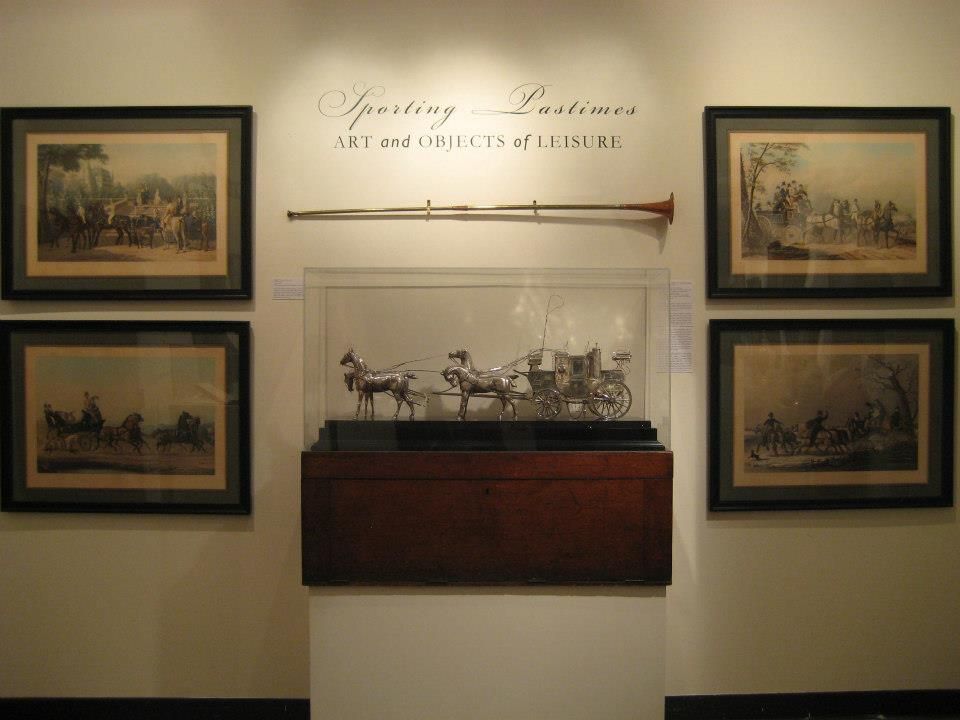
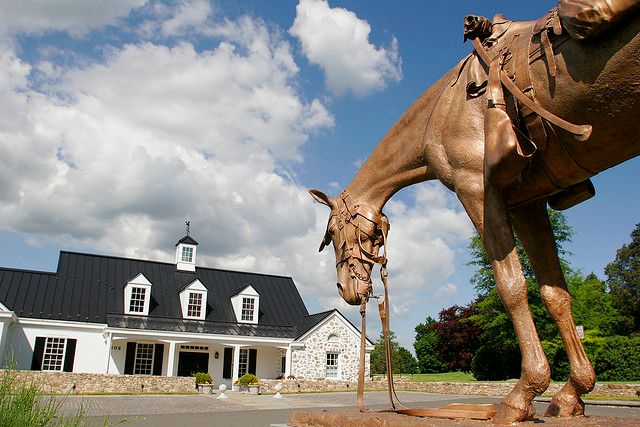
The National Sporting Library & Museum in Middleburg, VA is seeking applications for the John H. Daniels Fellowship. The fellowship supports researchers-in-residence to study and use the collections for research into "a topic exploring the intersection of field sports with the evolution of conservation." Check out the Fellowship brochure for more information. The application deadline is March 1, 2013.

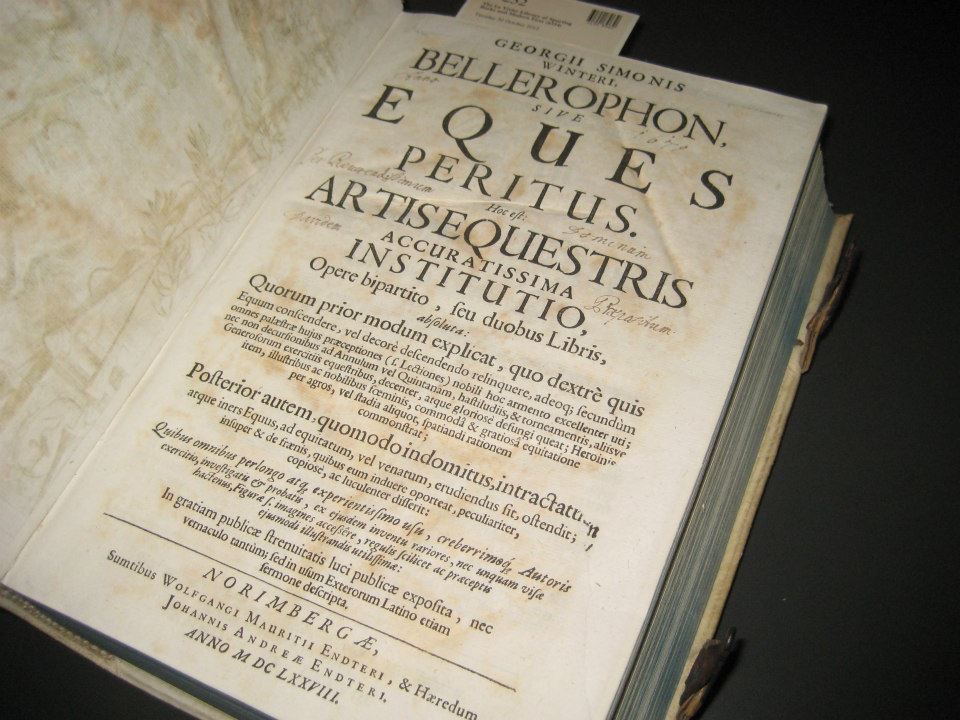
The National Sporting Library & Museum was founded in 1954 and the collections contain over 24,000 works of art and books on field and equestrian sports. The collection boasts items dating back to the 15th century. "The National Sporting Library and Museum is dedicated to preserving and sharing the literature, art and culture of equestrian, angling and field sports." There is an online catalog although it appears you'll need a log in to access it. You can contact the library to find out about access. The manuscript and archive collections contain scrapbooks, papers, photographs and research. Finding aids are available online. The library and museum are both open to the public and free of admission. If unable to visit in person, reference services are available. However, research is limited to 30 minutes per request. If you are curious about the library and collections, read the resource brochures available on the website, or like them on Facebook and check out some of the photos.


Sunday, November 4, 2012

The Hirshhorn Library

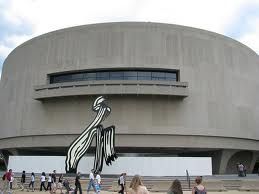
The Hirshhorn Museum is part of the Smithsonian Institution and houses an impressive collection of art. The Hirshhorn is located on the National Mall next to the Air & Space Museum and also maintains the sculpture garden which has some interesting pieces by Rodin among others. The museum is developed around the core collection bequeathed to the Smithsonian by the Founder Joseph Hirshhorn in the 1960s. The collection spans impressionism to modern pieces and is a beautiful representation of 19th and 20th century art.

The Library was founded with the museum in 1969 and is a research collection developed to complement the art found in the museum. It contains exhibition catalogs, serials, and ephemera. The library also participates in publication exchange. I had the opportunity to spend some time in the library photographing some of the Artists Books for the internal digital asset management system as part of a project to review the collection materials for an exhibition. It was wonderful to learn about the collection and get a glimpse into the workings of an art library and Smithsonian Institution Collections.

Navigating the Hirshhorn Museum and Library website is a lesson in patience. The site is difficult to maneuver and incredibly over designed. It is a solid representation of how to make something visually stimulating but practically unusable. I do not have any pictures of the library itself. The library is not open to walk-ins because it is located on the fourth floor of the Hirshhorn Museum building. It is accessible through the elevator, however the floor is closed to the public because it contains staff offices. Anyone is welcome to use the Hirshhorn’s library by appointment. Arrange a visit by emailing hmsglibmail@si.edu or calling(202) 633-2836. The elevator is quite cozy, fitting no more than five people reasonably, with a guard stationed inside to check access for the fourth floor. Security in the Hirshhorn elevator is not a position for someone with claustrophobia, that's for sure.

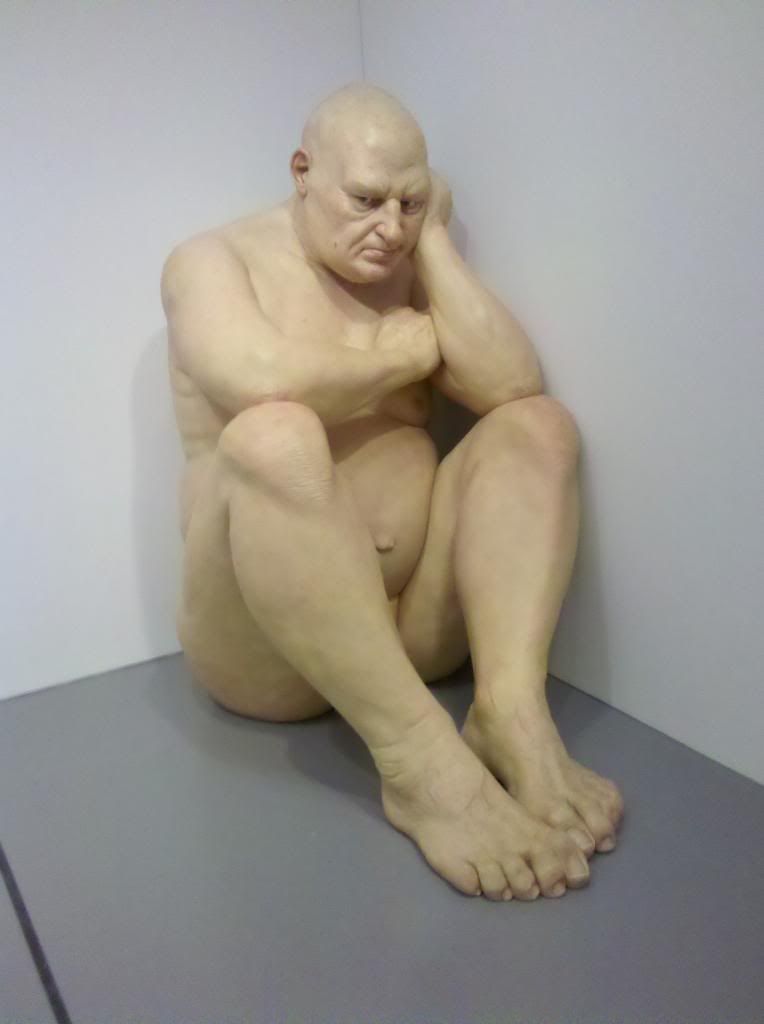
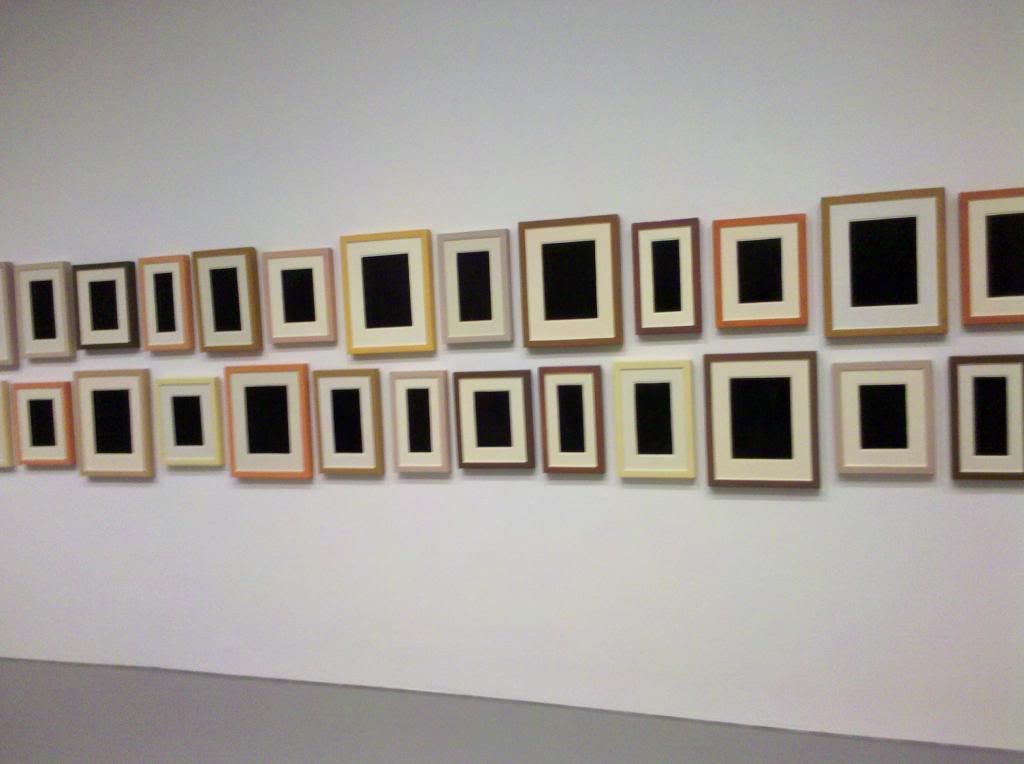
I did take two pictures of some of the art in the collection, because I found the first a little disturbing (he greets you in the basement floor as you come around the corner, is massive, and quite lifelike. The other is a collection of painting that reminded me of a friend's tattoo of Kazimir Malevich's 'Black Square on White Canvas'. I snapped it to text to her. It's actually a very well done tattoo. I don't remember either artist. If any reader does, please post in the comments. My lack of foresight into the usefulness of more pictures when I had the chance means that given the opportunity, you'll have to visit for yourself. You can browse the catalog to see what's of interest. This catalog links to all the Smithsonian libraries. The Hirshhorn Library is an impressive research collection and dose contain over 60,000 items, many unique and some quite rare. Each Smithsonian library maintains a unique collection and I hope to visit them all someday.


Sunday, August 19, 2012

Manuscript Room of the Library of Congress

A few months ago I found myself with a reason to visit the Manuscript Reading Room in the James Madison Memorial Building. I needed to look for the transcript of a conversation by Carnegie's biographer supposedly located in the Andrew Carnegie papers. A doctoral candidate from UW iSchool in Seattle needed the document for her dissertation research, and I volunteered to find it because I had the time and live in the area. It was also a perfect opportunity to get over my nervousness about using the library for research for the first time. I was looking up a document that cited the Andrew Carnegie papers, box 256. The online finding aid is very well organized, easy to use and in looking up box 256 I found that some of the general content was also stored in Box 257. I would ask for both boxes and see what I could find. I checked the hours for the Manuscript reading room and called ahead to make sure the papers were accessible onsite. Many items are stored off-site and require advance notice so it helps to call ahead and check.
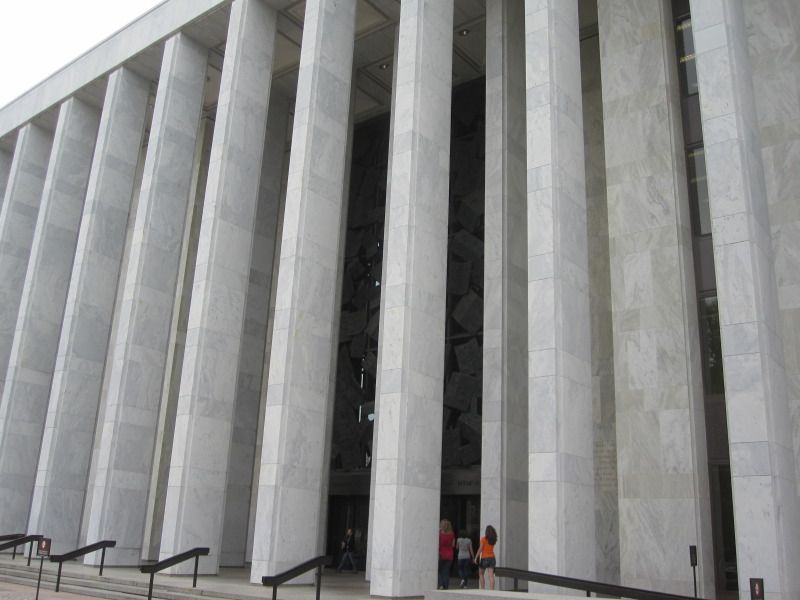

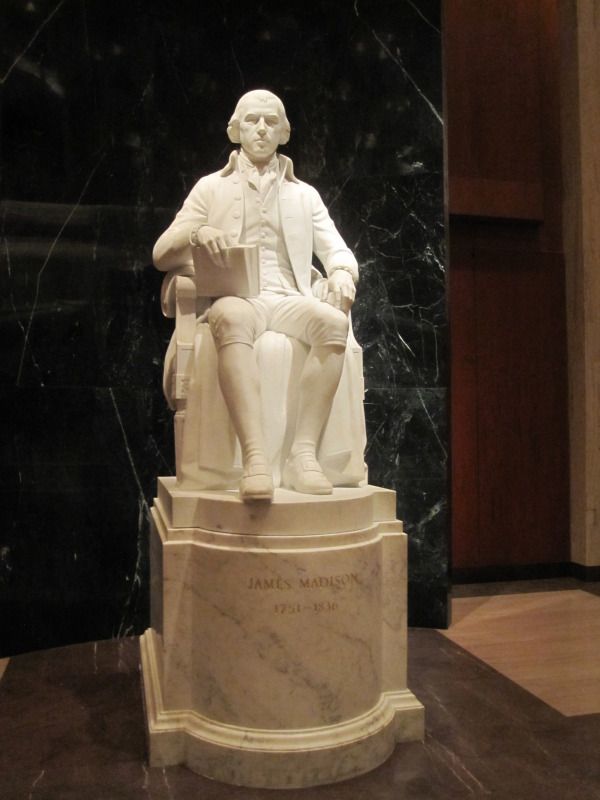
Armed with the box numbers I passed through security at the building entrance and found the manuscript reading room on the first floor. I also stopped to admire the stature of Madison when I took a wrong turn down a hallway.

I had already visited LM140 for my reader registration card in the same building. I walked up to the security desk and presented my card to security. I let him know I had never been to that reading room before and he gave me a key for the lockers and pointed me towards the information desk. I'd already reviewed the restrictions for personal belongings, as well as the research and reference FAQs. I also attended a research orientation class. Some of the reading rooms offer specific orientations for their subject area, which may be useful although I have not taken one yet. The general orientation class provides basic instruction on library use and could be helpful for new researchers, but is a little light for anyone familiar with library services and use.

After stowing my things in a locker at the front of the room, I approached the desk where I was checked in and registered as a user of the manuscript reading room. I gave her my two box numbers, and she thanked me for being prepared. If you need to look up the boxes you need, or want help researching the collection, there are computers available in the room, as well as staff on hand to assist you.

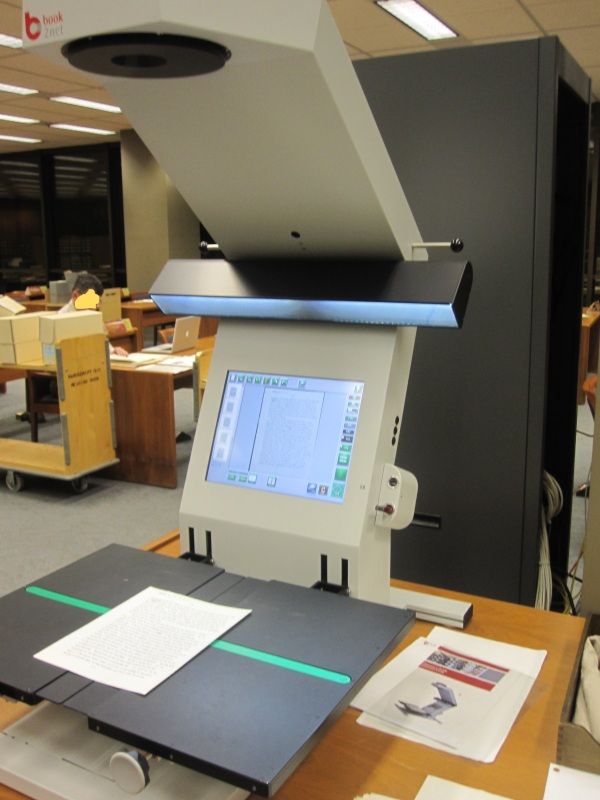
By the time I'd sat down at one of the lovely wooden desks, much of my apprehension had dissipated and I was a little giddy with excitement. Silly, yes, but I found the experience a little surreal at how very easy it is to walk in, ask for something, and have it brought to you on a cart. Within minutes I was sifting through the archival boxes reading bibliographies of articles and books that mention Carnegie, as well as several typed notes of references to Carnegie in articles, or interviews with people about him. I also found what I was looking for, a transcript of the conversation between Burton J. Hendrick and James Bertram my doctoral candidate friend had found mentioned in another source. I scanned it using this amazing machine, you can check it out here on Google Docs

If you're interested in learning more about collections and conducting research at LOC, the website is the best place to start. Many library resources are available digitally to browse or access, such as a Virtual Reference Shelf, Webcasts, Digital Collections, Bibliographies, Online Catalog, and Finding Aids. The rooms themselves are beautiful and the collections are amazing. Check them out if you ever have time, and unearth some neat things.
Sunday, May 27, 2012

US Census Library

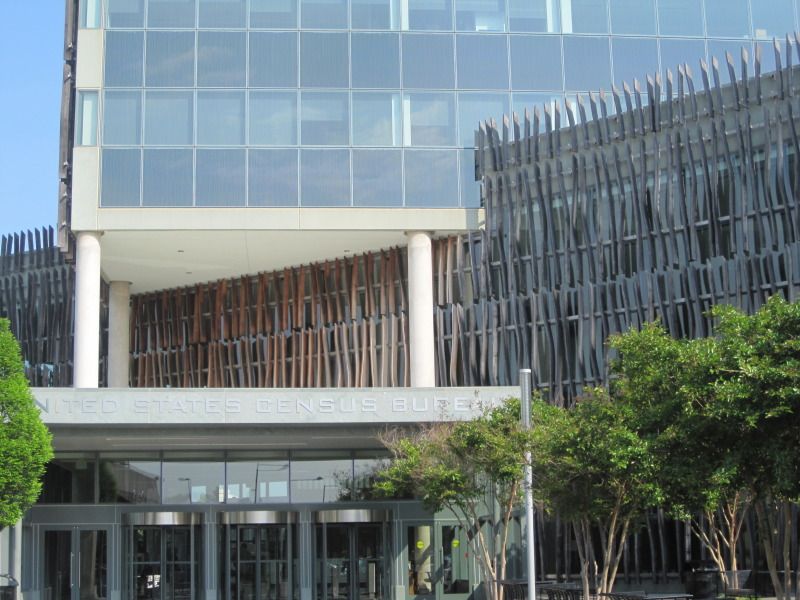
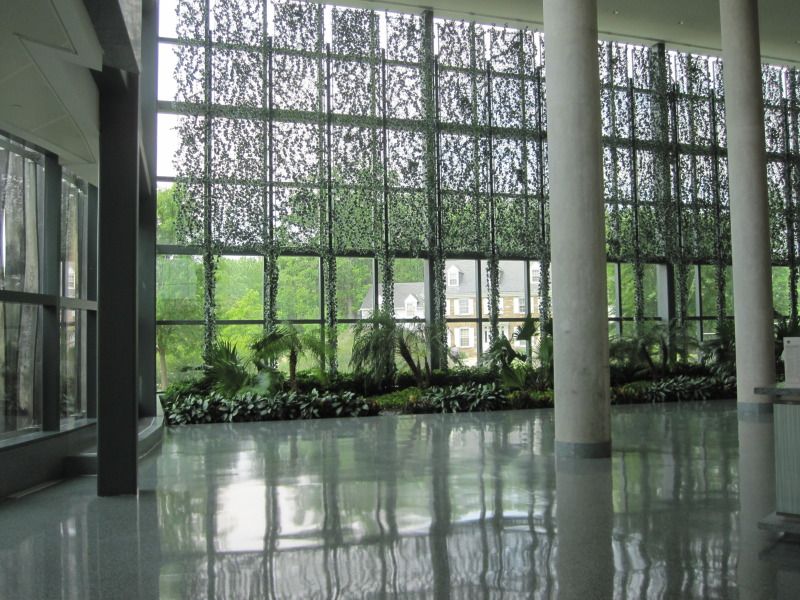
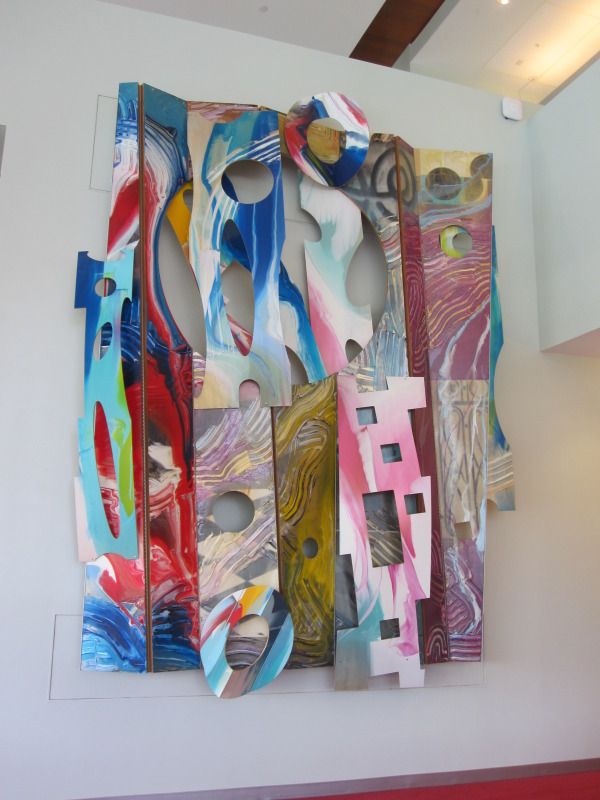
I recently had the opportunity to visit the United States Census Library in Suitland, MD. The library moved into the renovated building in 2006. It is a very bright and airy space, and features an impressive piece of art by Sam Gilliam.

The Census library does not have a public web presence due to security restrictions, although, the library space and collections are open to the public for research. Contact library@census.gov for more information.

The collections are best described by a portion of the mission of the Census Bureau Library, which "is to furnish relevant and timely information services and collections needed for informed decision-making by Census Bureau and government employees on-site and electronically, as well as to the public via electronic reference and inter-library loan services. The Census Bureau Library is the leading source for information resources produced by the Census Bureau and information about those resources."

The core of the collection are Census publications. Population Census records are stored and accessed at the National Archives. The Census Bureau gathers all kinds of information, beyond the familiar decennial population census. There are US Export records, a collection of articles and papers written by Census Bureau employees which began in the 90's, Business Statistics, Agricultural reports, etc. These publications are collected and preserved by Census library staff. The library collection also contains some rare historical statistic information, such as reports from the first Census in 1790.

The Census Bureau has discontinued the Statistical Abstracts of the United States, however ProQuest announced in March they will be picking up where the Census Bureau leaves off. The Census Library also recently took charge of an extensive collection of international statistical information. The collection developed through a reciprocal exchange program other countries. The library staff are hard at work processing and cataloging the vast collection. While the Census library does not have a public web presence or public web access to their catalog, their records are uploaded to World Cat and they do share some resources through Inter-Library Loan.

Census building entrance
Building entrance atrium with view of Suitland Mansion through the Window
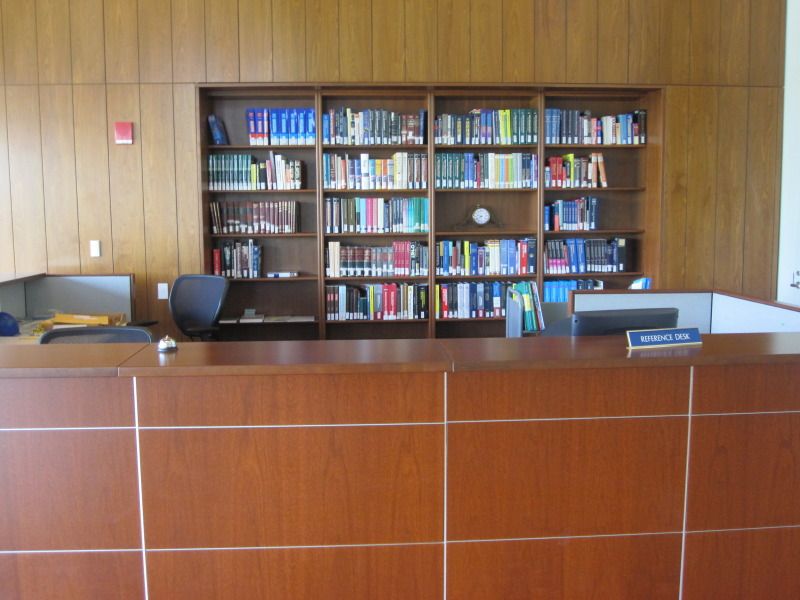
The Reference Desk
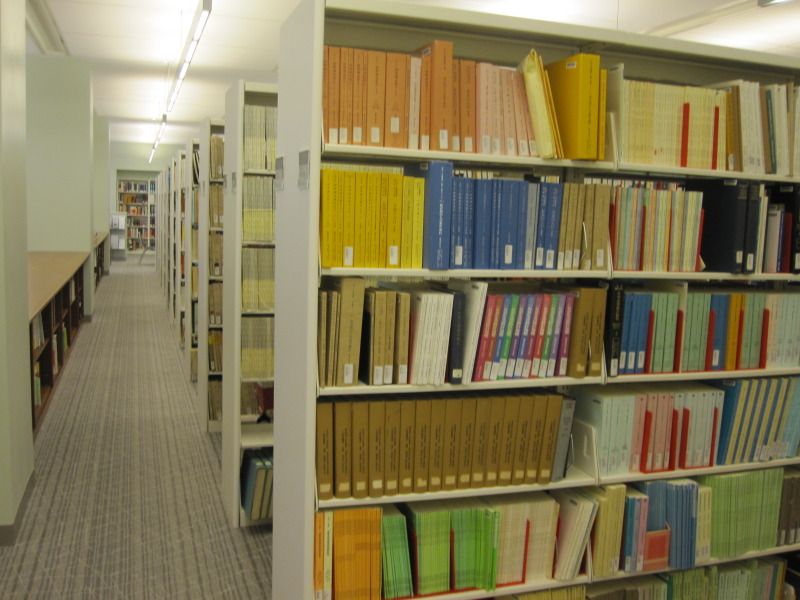
The General Collection Stacks
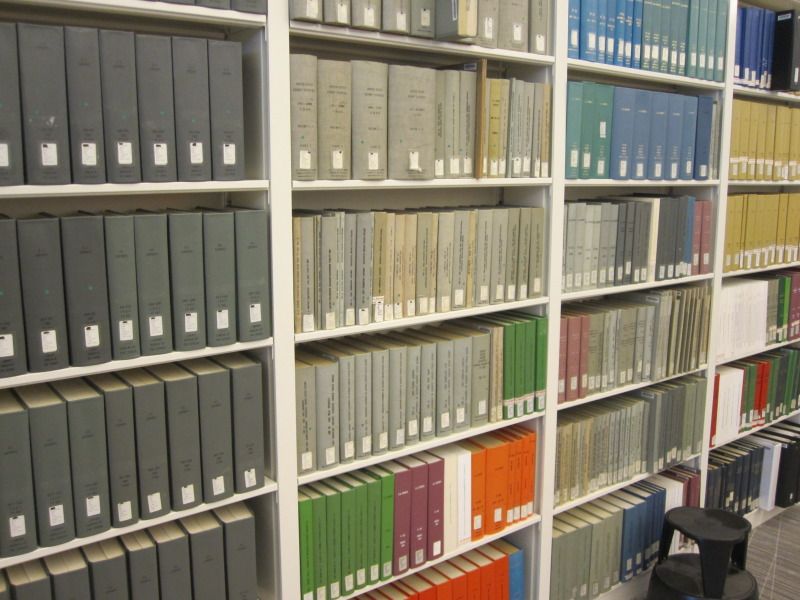
US Export Statistics
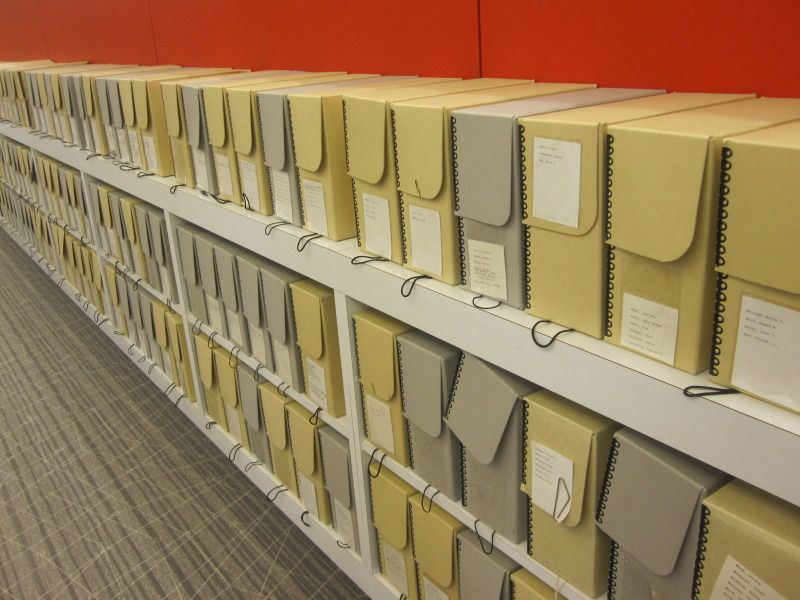
The Author Papers
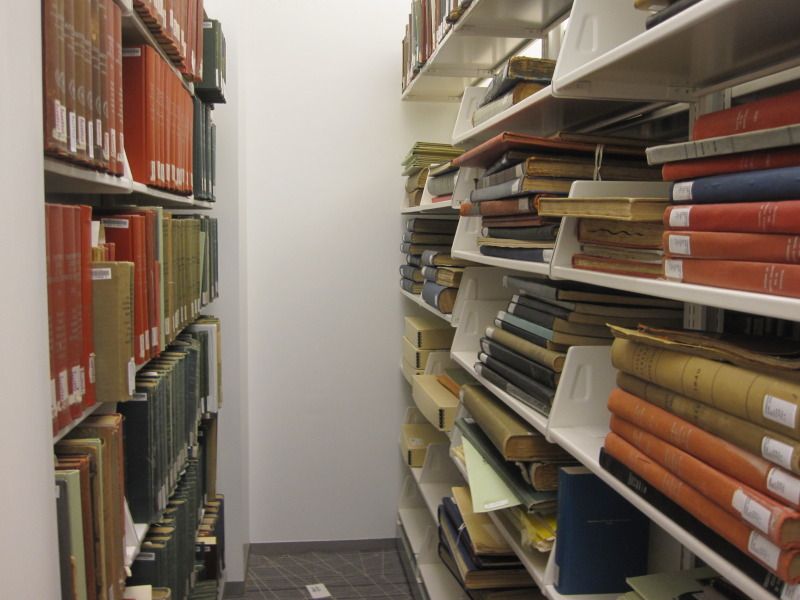
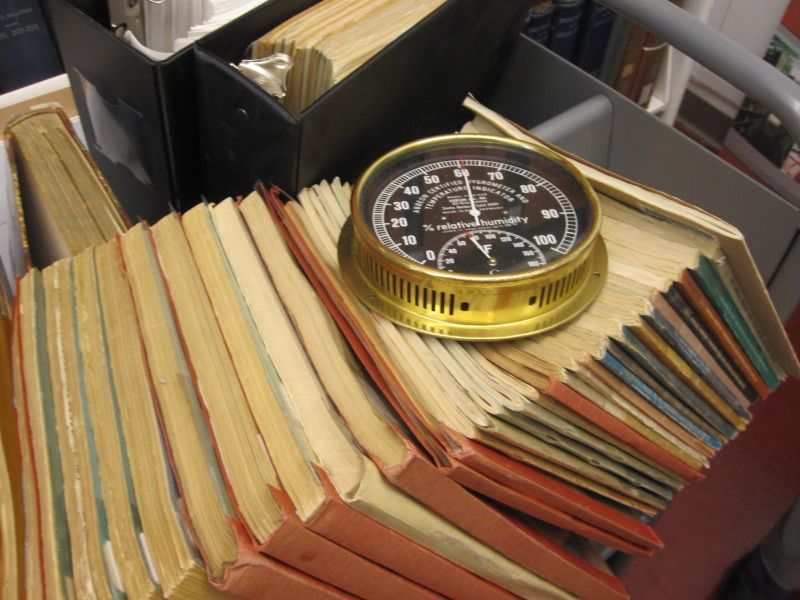
The VaultHumidity Check

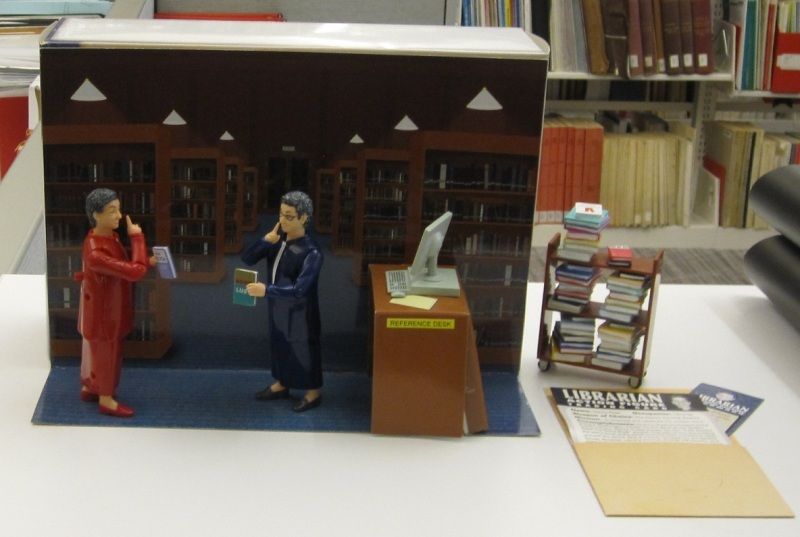
The library is a wonderful resource for research into historical statistical information. The future direction of the library is a focus on electronic acquisitions and reference services, as well as continuing to maintain the collection of Census publications. Interns and volunteers are accepted, although due to the level of security at the Bureau of the Census, security background checks are required. Students in an ALA accredited program are preferred. And of course, no library can be complete without the Nancy Pearl Librarian Action Figure.

Librarian Action Figure